
Plants
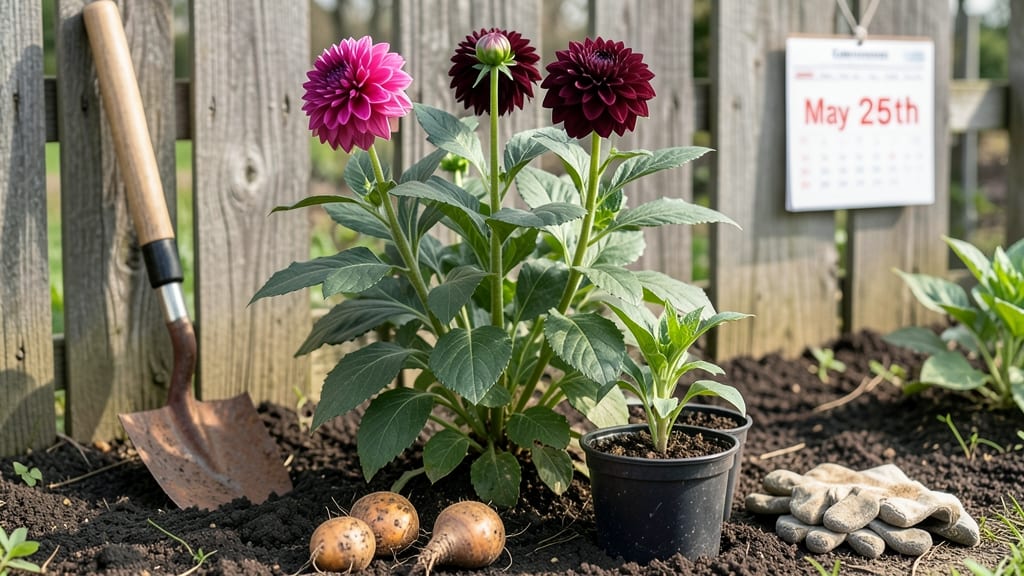
Timing your dahlia planting in Zone 7b can mean the difference between stunning summer blooms and struggling tubers. If you've ever watched your 🌸 dahlias wilt from early frost stress or fail to thrive, you're not alone—many gardeners miss the sweet spot between soil warmth and safe planting.
Here's the game-changer: Dahlias need soil temperatures of at least 60°F to root properly, and in Zone 7b, that typically means waiting until mid-to-late May after your last frost date. Planting too early risks stunted growth, while waiting too long cuts your blooming season short.
But there's more to it than just dates. I'll show you how to prep your tubers, read your soil's temperature cues, and protect your plants from late frosts—so you can enjoy months of vibrant blooms from August through October.
Let's dive into the exact steps to time your dahlias perfectly, so you can skip the guesswork and enjoy a garden bursting with color all summer long.

Best planting timeline for dahlias in Zone 7B based on soil temperature
In Zone 7B, where average last frost dates hover around mid-April and first frosts arrive by mid-November, timing your dahlias perfectly ensures vibrant blooms without frost damage. The golden rule? Wait until your soil reaches a consistent 60°F—this triggers root growth and prevents transplant shock.
Most gardeners in Zone 7B plant dahlias between late May and early June, giving tubers time to establish roots before summer heat peaks. But here’s the catch: soil warms faster in raised beds or black plastic-mulched areas, so you might plant 2-3 weeks earlier in those spots.
For fall planting (a trickier option in Zone 7B), aim for late August to early September—this gives tubers time to root before winter. However, I only recommend this for experienced gardeners since late-season dahlias need extra care to survive our 190 frost-free days.
Pro Tip: Use a soil thermometer for accuracy—don’t rely on air temperature alone. Dahlias planted too early in cool soil (below 55°F) often develop blackened stems from fungal rot.
| Stage | Zone 7B Timeline | Soil Temp | Key Action |
|---|---|---|---|
| Prep Tubers | Mid-March to April | Indoor (60-65°F) | Chit tubers, inspect for rot |
| Spring Planting | Late May - Early June | 60°F+ consistently | Plant 4-6 weeks after last frost |
| Fall Planting (Optional) | Late August - Early Sept | 55°F+ (minimum) | Use frost cloth for protection |
| First Blooms | July - August | 70-80°F | Deadhead spent blooms |
| Frost Prep | Mid-October | Below 50°F | Cut back stems, dig tubers |
If you’re in a warmer microclimate within Zone 7B (like near a heat-retaining wall), you might plant as early as mid-May. But if your garden sits in a cold pocket, push planting to early June—rushing it risks root rot from lingering cool, wet soil.
For container dahlias, extend your planting window by 1-2 weeks since pots warm up faster. Just ensure containers have drainage holes to prevent waterlogged roots, which dahlias hate.
Remember: Dahlias need 90-120 days to bloom from tuber planting. In Zone 7B, this means starting too late (after June 15) often results in smaller, less vibrant flowers before frost.
Track your local frost dates using the National Weather Service or a frost calendar for your specific county—Zone 7B can vary by 1-2 weeks even within short distances. Adjust your timeline accordingly!
Once planted, mulch with straw or shredded leaves to maintain even soil temps and conserve moisture. This simple step can mean the difference between thriving dahlias and struggling transplants.
Best planting timeline for dahlias in Zone 7B based on soil temperature
In Zone 7B, your dahlias thrive when planted after the last frost date—typically around mid-April—but soil temperature is the real game-changer. Dahlias need 60°F soil to establish roots without stress, so don’t rush!
Wait until early May or June in cooler microclimates. This timing ensures zero frost damage while giving tubers time to sprout before summer heat arrives.
For tuber planting, aim for 4-6 weeks after last frost when soil consistently stays above 60°F. In Zone 7B, this usually lands in late May to early June.
If you’re growing from seed, start indoors 8-10 weeks before last frost (February-March) and transplant seedlings after soil warms. Seedlings are more frost-tolerant than tubers, giving you a slight edge for early starts.
| Stage | Action | Soil Temp | Zone 7B Window |
|---|---|---|---|
| Pre-Warm Tubers | Chit tubers indoors 4-6 weeks before planting | 60°F+ | March-April |
| Plant Tubers | Bury 6" deep in well-draining soil | 60°F+ | Late May-Early June |
| Transplant Seedlings | Hardening off seedlings before outdoor move | 55°F+ | Mid-May |
| Frost Protection | Cover with frost cloth if late frost hits | Below 32°F | April-May |
🌱 Pro Tip: Use a soil thermometer to confirm temps—don’t guess!
Fall planting is a risky gamble in Zone 7B unless you’re in a warmer microclimate. Tubers need 8-10 weeks to establish roots before frost hits (usually mid-November). If you attempt fall planting, choose early-maturing varieties like 'Café au Lait' and plant by late August for best results.
Most gardeners in Zone 7B stick to spring planting to avoid winter kill.
Watch for false springs—those warm spells in March or April that trick you into planting early. Dahlias cannot tolerate frost, even young tubers. If temps dip below 32°F, cover plants with frost cloth or move pots indoors temporarily.
A 10-day forecast is your best friend when deciding to plant. Use apps like Old Farmer’s Almanac or local Cooperative Extension data for Zone 7B-specific frost predictions.
After planting, mulch heavily (3-4 inches) to keep soil temps stable and retain moisture. Black plastic mulch warms soil faster, while straw mulch retains moisture better. In Zone 7B, mulching also protects tubers from late-spring frosts that can blacken stems overnight.
Pair this with drip irrigation to avoid overhead watering, which can spread fungal diseases in warm, humid conditions.
Remember: Patience pays off. Dahlias planted too early in Zone 7B often bolt (send up weak stems) or rot in cold soil. Wait for consistent warmth, and your dahlias will reward you with vibrant blooms from July through frost.
The key is soil temperature, not just calendar dates—grab that thermometer and plant with confidence! 🌸