
Plants
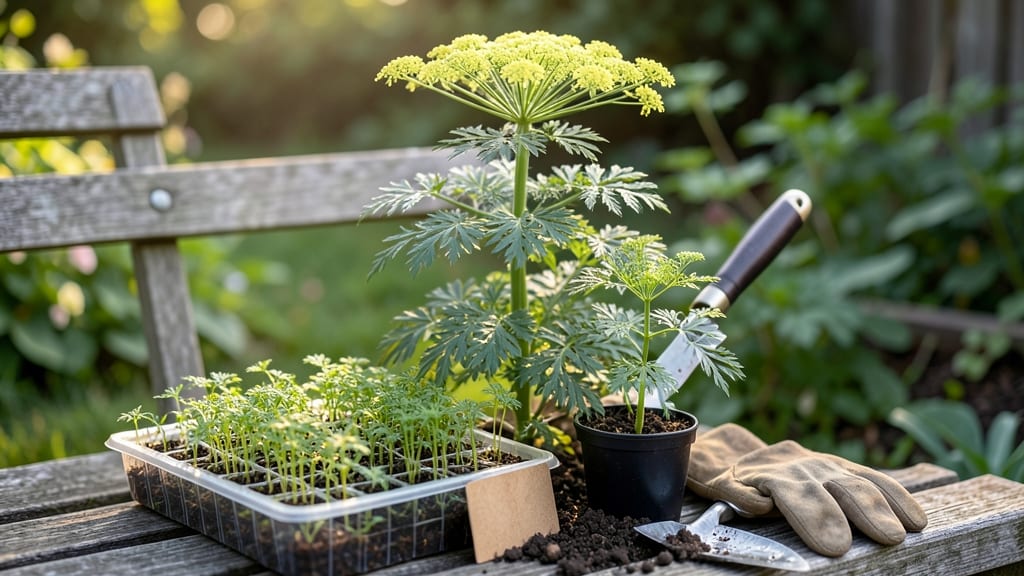
Timing your dill planting in Texas isn’t just about the calendar—it’s about beating the heat before it turns your feathery green 🌿 into a sad, wilted mess.
Most gardeners in the Lone Star State make one critical mistake: waiting too late in spring or planting too early in fall, when the wrong temperatures can derail your harvest.
Here’s the secret: dill thrives in Texas’s 8a-10b zones when you align its growth with the 210-300 frost-free days—meaning late winter to early spring (February–March) or early fall (September–October) are your golden windows.
Skip this, and you’ll either watch your plants bolt in the summer or struggle with weak growth in the heat.
But don’t stress—this guide breaks down the exact start dates for North, Central, and South Texas, plus the heat-tolerant dill varieties that won’t give up the ghost when temps soar.
Whether you’re direct-sowing seeds or transplanting, we’ll cover how to set your dill up for a long, productive season—no guesswork required.
Ready to grow dill that’s bold, flavorful, and heat-proof? Let’s dive into the Texas-specific schedule that’ll keep your garden (and your pickles) happy all year.
Best planting windows for dill in Texas by region
Texas' vast climate variations mean your dill planting schedule should depend on whether you're in North Texas, Central Texas, or South Texas. Each region has different last frost dates and heat tolerance thresholds that determine when to start seeds or transplant seedlings.
For example, North Texas gardeners face earlier frosts than their South Texas counterparts, creating a 6-week difference in planting windows.
Dill thrives in cool to warm spring temperatures but wilts under 90°F+ heat. The key is planting when daytime highs stay below 85°F—this means late winter/early spring for spring crops and early fall for fall harvests.
In Texas, this translates to two primary planting windows: February-March for spring and September-October for fall.
Here’s how to align your planting with Texas’ regional microclimates to maximize your dill harvest while avoiding bolting or heat stress:
| Region | USDA Zone | Last Frost Date | First Frost Date | Spring Planting Window | Fall Planting Window |
|---|---|---|---|---|---|
| North Texas | 8a-8b | February 15 | December 1 | Mid-February to early March | Late August to mid-September |
| Central Texas | 8b-9a | January 31 | November 15 | Late February to early April | Late August to early October |
| South Texas | 9a-10b | January 15 | November 1 | January to March | September to late October |
*Plant after last frost for spring; 6-8 weeks before first frost for fall.
For North Texas gardeners, aim to have dill seedlings ready by March 1—this gives them enough time to mature before temperatures climb past 85°F in late spring. Use shade cloth if planting in April to protect young plants from intense afternoon sun.
In Central Texas, you have a bit more flexibility, but don’t wait past early April for spring plantings.
In South Texas, where winters are milder, you can start direct sowing as early as January. However, be cautious—dill grown too early may bolt prematurely if days get too long.
For fall crops, South Texas gardeners have until late October to plant, allowing for a longer harvest window before frost.
Pro tip: Use seasonal markers like blooming redbud trees (early spring) or goldenrod (late summer) to time your plantings naturally. These indicators align with Texas’ climate patterns and help avoid calendar-based mistakes. For example, when redbuds bloom in Central Texas, it’s time to start your dill seeds indoors.
If you’re unsure about your exact last frost date, check the Texas A&M AgriLife Extension maps or use a frost calendar app. These tools provide hyper-localized data that’s more accurate than general zone guidelines.
For instance, Amarillo (North Texas) might have a frost date two weeks earlier than Dallas, even though they’re in the same zone.
For container gardening, adjust your timeline by 2-3 weeks earlier since pots heat up faster. Place containers in partial shade during peak summer afternoons (1 PM–5 PM) to prevent wilting.
This strategy works especially well for balcony gardens in urban areas like Houston or San Antonio, where microclimates vary block by block.
Remember, dill is a biennial that bolts quickly in heat. To extend your harvest, succession plant every 2-3 weeks during your region’s optimal window. This ensures a continuous supply of fresh dill from spring through fall, even in Texas’ unpredictable climate.
Best planting windows for dill in Texas by region
Texas’s diverse climate means North Texas, Central Texas, and South Texas each have unique planting windows for dill. In North Texas (USDA Zones 7b-8a), where frost lingers until mid-February, aim for late February to early March for spring planting.
Meanwhile, South Texas (Zones 9a-10b) can start as early as January, thanks to milder winters.
For fall planting, Texas gardeners should start 6-8 weeks before the first frost. That means late August to early September in North Texas and early September to October in South Texas. Fall crops often thrive better because cooler temperatures prevent early bolting—a common issue in Texas summers.
Here’s how to align your planting with Texas’s three key regions for maximum success:
| Region | Spring Planting Window | Fall Planting Window | Last Frost Date | First Frost Date |
|---|---|---|---|---|
| North Texas (Zones 7b-8a) | Late Feb - Early Mar | Late Aug - Early Sep | Mid-February | Early December |
| Central Texas (Zones 8a-8b) | Early Feb - Mid-Mar | Mid-Aug - Late Sep | Early February | Mid-November |
| South Texas (Zones 9a-10b) | January - Early Feb | Early Sep - Early Oct | Mid-January | Late November |
If you’re direct sowing dill seeds, Texas’s long growing season allows for two crops per year. Start seeds indoors 4-6 weeks before the last frost for an earlier harvest, but be cautious—dill bolts quickly in heat.
For transplants, wait until seedlings are 2-3 inches tall before moving them outdoors after the frost date.
Pro tip: Use shade cloth in summer months to protect young dill plants from intense Texas sun. This simple trick can extend your harvest window by 2-3 weeks before bolting sets in. Pair this with consistent morning watering to keep roots cool and happy.
Timing isn’t just about frost dates—it’s also about heat tolerance. Dill prefers cool weather (60-75°F), so spring and fall are ideal. By aligning your planting with these windows, you’ll avoid the mid-summer slump that turns lush dill into a wilting mess.
For a continuous harvest, stagger plantings every 2-3 weeks in spring and fall. This ensures you’ll always have fresh dill for pickles, salads, and garnishes—no gaps in your supply!