
Companion Plants
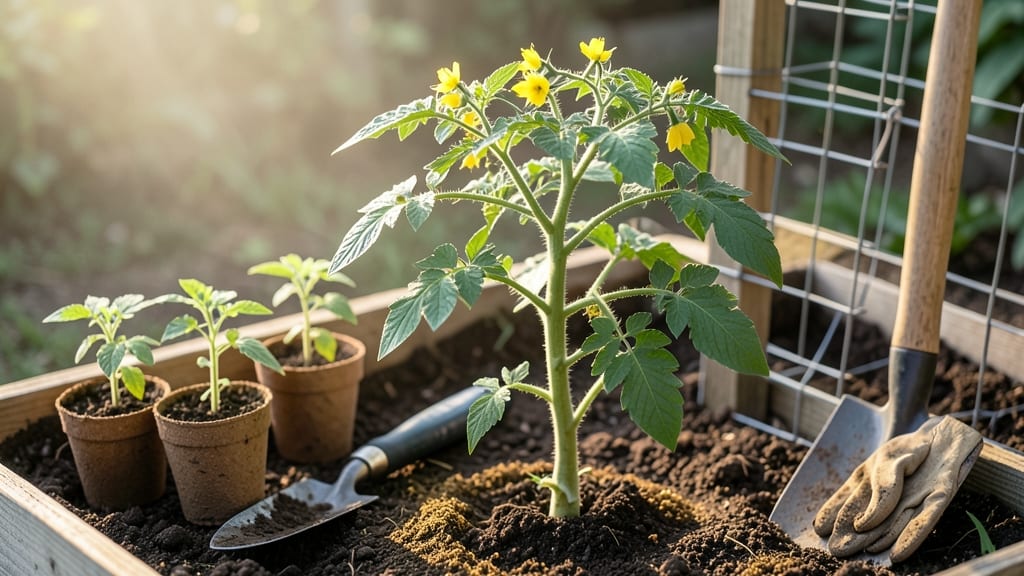
If you’ve ever planted tomatoes in North Carolina only to watch them wilt under summer heat or freeze after a surprise frost, you’re not alone. The key to a thriving 🍅 harvest lies in timing—specifically, knowing when to plant for your exact zone and microclimate.
North Carolina’s diverse zones (7a–8b) mean your neighbor’s perfect planting window might not work for you. Whether you’re starting seedlings indoors or sowing directly, getting it wrong can mean lost plants—or worse, no tomatoes at all.
I’ll show you the exact mid-April to early June window (and the fall backup) that works for your area, plus heat-tolerant varieties that won’t bolt in 90°F+ heat.
Beyond dates, I’ll share microclimate hacks like black plastic mulch (which can raise soil temps by 10°F) and windbreaks to protect your plants. These tricks are what separate gardeners who discover a few tomatoes from those who grow bushels.
Ready to turn your tomato dreams into reality? Let’s dive into the most important steps to plant at the perfect time—no guesswork, just bountiful harvests.
NC planting zones & frost dates: the exact timeline for tomatoes
North Carolina’s diverse climate—from the mountains of Zone 6b to the coastal plains of Zone 8a—means your tomato planting timeline depends heavily on where you live.
The last average frost date ranges from mid-March in the Piedmont to early April along the coast, but soil temperature is the real game-changer. Tomatoes need consistent soil temps above 60°F (15°C) to thrive, which often lags behind air temperature.
In cooler zones like Asheville (7b), this could mean waiting until late April or early May, while Raleigh (7a) might be ready by mid-April.
To avoid frost damage, use a 14-day frost-free window as your guide. This means transplanting seedlings 2 weeks before your area’s last frost date to give them time to establish roots. For example, if your last frost is April 15, aim to transplant by April 1.
In Zone 8a (coastal NC), you might even squeeze in a fall harvest by planting in late July or early August for a September-October bounty. Always check the NC State Extension’s frost maps for your exact location.
Soil temperature is more critical than air temperature. Use a soil thermometer (available for under $15) to confirm your garden beds are 60°F+ before planting. In cooler zones, black plastic mulch can raise soil temps by 5–10°F and speed up warming by 2–3 weeks.
If your soil is still chilly, consider starting seedlings indoors 6–8 weeks before your last frost date and transplanting them once the ground warms up. This is especially useful for determinate varieties like ‘Celebrity’, which mature faster and can handle cooler soils better than heat-lovers like ‘Solar Fire’.
For gardeners in Zone 7b or cooler, extending the season with row covers or cold frames can add 2–4 weeks of growing time. These protective barriers trap heat and shield seedlings from late frosts. Simply drape a floating row cover over your beds after transplanting and remove it once nighttime temps stay above 50°F. This trick works especially well for early spring plantings in the mountains, where frosts can linger into mid-April. Just
If you’re aiming for a fall harvest, start seeds indoors 8–10 weeks before your first frost date (typically mid-October in Zone 7a). Transplant seedlings outdoors 6–8 weeks before the first frost, giving them enough time to mature before cold weather sets in. In Zone 8a, you might even get two harvests in one year—one in June–July and another in September–October—by staggering plantings. Just be prepared for shorter daylight hours in fall, which can slow growth, so prioritize heat-tolerant, fast-maturing varieties like ‘Early Girl’ or ‘Patio’.
Pro tip: Monitor your local weather forecasts in the weeks leading up to your transplant date. A sudden cold snap can delay planting by weeks, so always have a backup plan—whether it’s a greenhouse, cold frame, or indoor grow lights.
In my own garden in Zone 7a, I once lost a batch of seedlings to an unexpected frost in early April. Since then, I’ve made it a habit to plant a few extra seedlings and use row covers as a precaution.
It’s better to have too many tomatoes than none at all!
Finally, don’t forget that microclimates within your garden can create huge differences in frost risk. South-facing beds warm up faster than north-facing ones, and low-lying areas can trap cold air.
If you’re unsure about your exact frost date, observe your neighbors’ gardens or check with your local Cooperative Extension office—they often have hyper-local data that general maps miss.
With the right timing and a little preparation, you’ll be well on your way to a bountiful tomato harvest that puts store-bought to shame. 🌱
Heat-tolerant tomato varieties that thrive in NC’s humid summers
North Carolina’s summers can push temperatures past 95°F, making heat tolerance a must for your tomato plants. The right varieties won’t just survive—they’ll produce bountiful harvests despite the humidity and late-season pests.
Indeterminate types like ‘Solar Fire’ and determinate ‘Celebrity’ are proven winners, but there are 12+ other options that handle NC’s climate like champions.
Determinate varieties like ‘Celebrity’ are ideal for containers or small spaces, while indeterminate types like ‘Heatmaster’ keep producing all season long. Disease resistance is just as critical—look for Fusarium wilt or Verticillium wilt resistance to avoid common NC issues.
Below, we break down the top performers and their trade-offs so you can pick the perfect fit for your garden.
🌱 Pros & Cons: Best Heat-Tolerant Tomato Varieties for NC
Celebrity (Determinate)
Solar Fire (Indeterminate)
For cherry tomatoes, try ‘Sun Gold’ or ‘Sweet Million’, both of which handle heat and humidity while producing sweet, prolific fruit. If you’re in Zone 7b or cooler, opt for ‘Mountain Merit’—it’s disease-resistant and produces beefsteak-sized tomatoes even in shorter seasons.
Always check your local extension service for variety trials specific to your county.
Pro tip: Pair your tomatoes with basil or marigolds to improve flavor and deter pests naturally. This combo works especially well in containers or raised beds, where airflow is crucial for preventing fungal diseases in NC’s damp summers.
Don’t overlook lesser-known varieties like ‘Heatmaster’ or ‘Arkansas Traveler’, which are bred specifically for southern heat and often outperform mainstream options. Start with 2-3 varieties to test what thrives in your microclimate before expanding your collection.
🌱💧☀️