
Plants
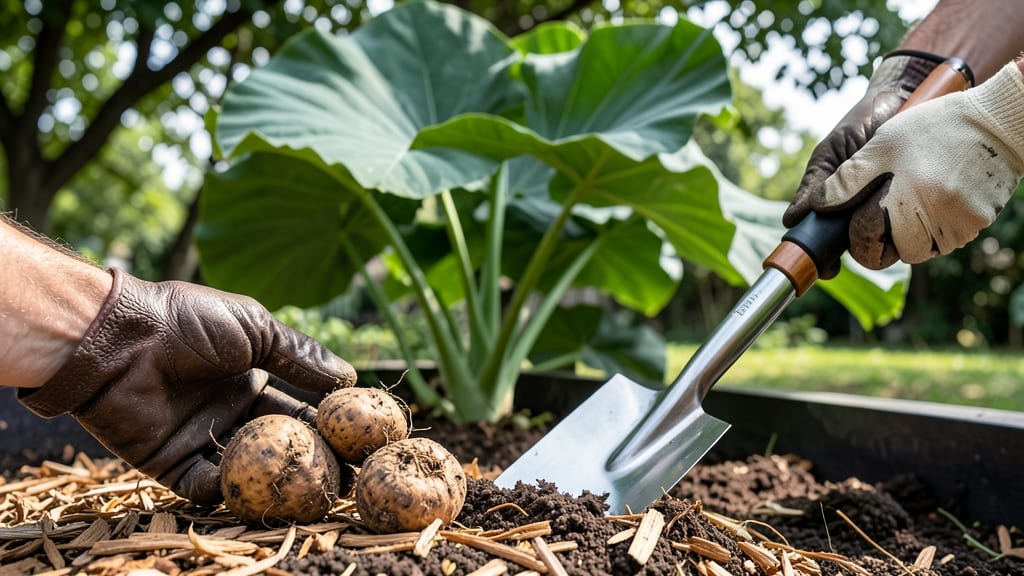
If you're dreaming of dramatic, tropical-looking foliage in your Georgia garden, planting those elephant ear bulbs at the right time is the key to success. Planting too early risks frost damage, while waiting too long can leave you scrambling as summer heats up.
Georgia's 7a-8b climate gives you a narrow but critical window—typically between March and May—when soil warms enough to support those fast-growing tubers. Miss this timeline, and you might end up with stunted plants or worse, no growth at all.
I've seen firsthand how a few weeks can make all the difference between lush, 6-foot-tall leaves and disappointing underperformers. Let me show you exactly when to get those bulbs in the ground for maximum impact this season.
From soil prep to frost protection tips, we'll cover everything Georgia gardeners need to know to grow elephant ears that steal the show. Ready to transform your yard with bold, statement-making foliage?
Georgia planting deadlines for elephant ear bulbs by hardiness Zone
Georgia’s USDA zones 7b-8a offer perfect conditions for elephant ear plants, but knowing the exact planting deadlines prevents frost damage and ensures dramatic foliage all season. Most gardeners focus on spring planting, but fall options exist for certain varieties.
Let’s break down the critical windows for both tuberous (like Alocasia) and rhizomatous (like Colocasia) types.
Your last frost date in Georgia typically falls around March 15, but this shifts slightly north to south. For example, Athens (Zone 8a) averages a later last frost (March 22) compared to Savannah (Zone 8b), where frost risks drop by March 10.
These dates mark your minimum safe planting window for tubers.
Soil temperature is just as critical as air temperature. Elephant ear bulbs need consistently warm soil (60°F+) to sprout. In most of Georgia, this happens by mid-April—earlier in southern regions like Valdosta (Zone 8b) and later in northern areas like Dahlonega (Zone 7b).
Use a soil thermometer to confirm before planting.
Here’s the comparison table for Georgia’s planting deadlines by zone:
For spring planting, aim to get elephant ear bulbs in the ground 4–6 weeks before your last frost date. This gives roots time to establish before warm weather arrives.
In Zone 8a/8b, this means planting by March 1–April 15, while Zone 7b gardeners should wait until April 15–May 15.
Fall planting is trickier but possible in Zones 8a/8b for hardy varieties like Colocasia. Plant tubers 6–8 weeks before your first frost (typically September 15–October 15) to allow roots to form before dormancy. Avoid this method for tender Alocasia varieties—they won’t survive Georgia’s winters.
Pro tip: If you’re unsure about frost dates, use row covers or plant in containers for extra protection. Move pots indoors or under cover if temperatures drop below 40°F. In Zone 7b, this is especially critical for late spring plantings.
Elephant ear plants thrive with 6–8 hours of sunlight daily, but Georgia’s summer heat can scorch leaves. Provide morning sun and afternoon shade for optimal growth. Mulch with 3–4 inches of organic matter (like pine straw) to retain moisture and regulate soil temperature.
Remember, tuber depth matters: Plant bulbs 2–3 inches deep and 12–18 inches apart for mature plants. In heavy clay soils (common in Georgia), amend with compost or sand to improve drainage—this prevents root rot, a common issue in humid climates.
🌿
Georgia planting deadlines for elephant ear bulbs by hardiness Zone
Georgia’s USDA Zones 7b-8a offer ideal conditions for elephant ear plants, but timing matters to avoid frost damage or weak growth. Most gardeners focus on spring planting after the last frost, but fall planting is possible in warmer regions.
Let’s break down the exact deadlines for your specific zone to ensure your Colocasia and Alocasia varieties thrive.
For Zone 7b, the last average frost date is around March 15, while Zone 8a sees frost risks as late as March 20. Soil temperature should reach at least 60°F before planting tubers or rhizomes.
In colder microclimates, wait until April 1 to be safe, especially if you’re planting Alocasia, which is more frost-sensitive.
| Zone | Last Frost Date | Ideal Planting Window | Soil Temp Threshold |
|---|---|---|---|
| 7b | March 15 | April 1 - May 15 | 60°F |
| 8a | March 20 | March 25 - May 10 | 60°F |
🌱 Spring Planting Tip: In Zone 7b, cover young plants with frost cloth if temperatures dip below 40°F after planting.
Fall planting is an option in Zone 8a only, with a deadline of September 15 to allow tubers to establish before winter. In Zone 7b, avoid fall planting unless you’re using a greenhouse or container that can be moved indoors.
If you do plant in fall, apply a thick layer of mulch (4-6 inches) to insulate the tubers from winter frosts.
For container gardeners, you can plant elephant ear bulbs as early as February in Zone 8a if you’re growing them indoors under grow lights. However, transplant outdoors only after the last frost date.
Containers warm up faster than in-ground soil, so monitor soil temperature closely—55°F is the minimum for safe planting.
Pro tip: Use a soil thermometer to confirm soil warmth before planting. If your garden is slow to warm, opt for Alocasia varieties, which tolerate cooler soil better than Colocasia. Just remember, Alocasia needs more shade once established.
Missed the spring deadline? Don’t worry—you can still buy potted elephant ear plants at local nurseries through June. Simply transplant them into the ground as soon as possible, keeping the root ball moist during the transition. Just be prepared for slightly smaller foliage if planted after May 15.
🌿