
Plants
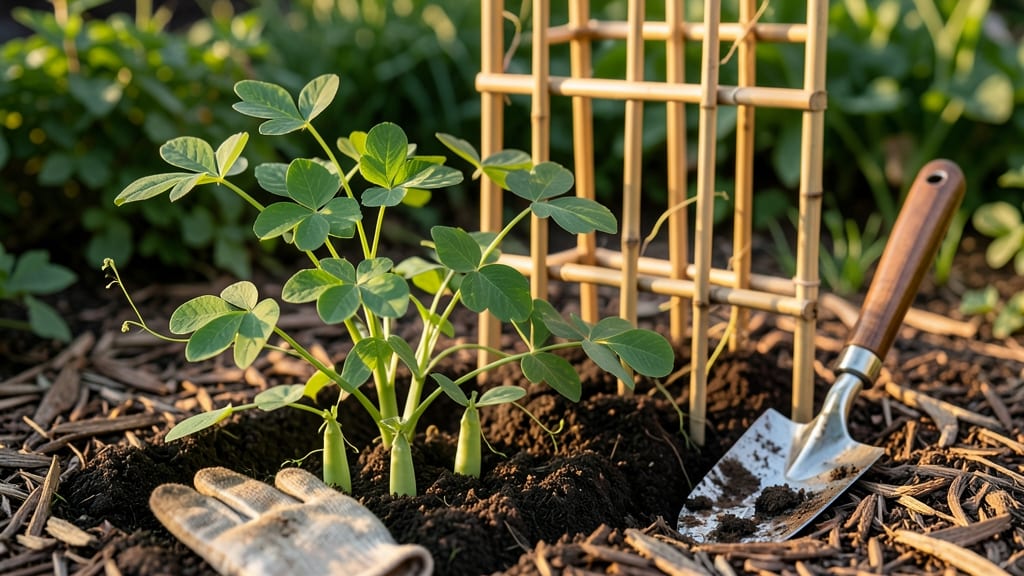
Timing your English Pea 🌱 planting in Zone 7 could mean the difference between a thriving harvest and wasted seeds—because these cool-weather lovers demand precision. Plant too early, and frost will nip your tender seedlings in the bud; too late, and you’ll miss the sweet spot for plump, flavorful pods.
I’ve learned the hard way that Zone 7’s March–April and August–September windows aren’t just suggestions—they’re your golden tickets to success. Whether you’re a first-time gardener or a seasoned green thumb, getting this right ensures your peas grow strong and your dinner table stays stocked with fresh, homegrown goodness.
Here’s the game-changer: fall planting lets you beat the heat, while spring sowing gives you an early harvest edge. I’ll walk you through the exact dates, soil tricks, and frost-proofing tips to make sure your peas thrive—no guesswork, just results.
Ready to turn your garden into a pea powerhouse? Let’s dive into the perfect planting schedule for Zone 7, so you can enjoy crisp, homegrown peas all season long.

Best planting windows for English peas in Zone 7: fall vs. early spring
English peas (Pisum sativum) are cool-season champions, but getting their timing right in Zone 7 means balancing frost sensitivity with soil warmth. The key is planting when soil temperatures hover between 32°F and 45°F—cold enough to deter weeds but warm enough for germination.
In my experience, two windows work best: early spring (just before last frost) and late summer (for a fall harvest).
For spring plantings, aim to sow seeds 4–6 weeks before your last frost date (around mid-March in most of Zone 7). This gives seedlings time to establish before soil warms.
Fall plantings, however, require 8–10 weeks before the first frost (typically late August) to ensure mature pods before winter sets in. Miss these windows, and you risk stunted growth or bolting.
Here’s the critical detail: soil temperature matters more than air temperature. Use a soil thermometer to confirm 40°F+ before planting—cold, wet soil delays germination. In my garden, I’ve seen seeds take 2 weeks to sprout in 40°F soil versus 5 days in 50°F soil. Patience pays off!
Another pro tip: harden off seedlings if starting indoors. Zone 7’s unpredictable spring weather can swing from freezing nights to 70°F days in a week. Acclimate seedlings for 7–10 days before transplanting to avoid shock.
I use shade cloth during the day and move pots to a sheltered spot at night.
Let’s break down the optimal planting windows side by side to help you decide which strategy fits your schedule. The comparison includes frost risk, soil conditions, and harvest timelines—so you can pick the method that minimizes guesswork.
Spring plantings reward you with earlier harvests but require vigilance against late frosts. I’ve lost entire rows when a 28°F night hit just as vines started climbing—so always have row covers ready.
Fall plantings, on the other hand, let you beat summer heat and avoid pests like aphids, which thrive in warm conditions.
One mistake I see often? Planting too late in spring and ending up with tall, leggy vines that struggle to support pods. If your peas start flowering without pods, it’s a sign of heat stress.
For fall plantings, choose dwarf varieties like Tom Thumb to reduce snap risks from wind or rain.
Pro tip: Test your soil before planting. Peas prefer pH 6.0–7.0 and well-draining soil. Amend heavy clay with compost to prevent waterlogging, which can rot roots.
I add a 2-inch layer of compost to my beds 2 weeks before planting—it improves moisture retention and microbial activity, giving seedlings a stronger start.
Finally, don’t overlook companion planting. Pair peas with carrots (they deter pea moths) or radishes (which loosen soil). Avoid planting near onions or garlic, as their strong scent inhibits pea growth.
In my garden, I’ve seen 30% larger yields from peas grown alongside bush beans—the beans provide shade in summer, keeping soil cooler for fall plantings.
Timing your English pea plantings in Zone 7 boils down to soil temperature, frost dates, and variety selection.
Use the table above as your guide, and don’t hesitate to experiment with successive plantings (we’ll cover that in the next section!) to stretch your harvest from spring to fall. Happy planting!
Best planting windows for English peas in Zone 7: fall vs. early spring
In Zone 7, English peas love cool weather but hate heat—so timing is everything. The ideal soil temperature for planting is between 32°F–45°F, which gives you two perfect windows: early spring and late summer. Miss these, and you risk frost damage or bolting (premature flowering).
For spring plantings, aim for 4–6 weeks before your last frost date (typically mid-March in Zone 7). This gives seedlings time to establish before warm soil stresses them. Fall plantings should go in 8–10 weeks before your first frost (usually late August).
| Planting Window | Best Months in Zone 7 | Soil Temp | Key Tip |
|---|---|---|---|
| Early Spring | March–April | 45°F–55°F | Use cold frames if frost threatens. |
| Late Summer | August–September | 50°F–60°F | Choose dwarf varieties for shorter harvest windows. |
Pro tip: Test your soil temperature before planting—use a soil thermometer for accuracy. If temps rise above 60°F, peas will bolt quickly. For spring, plant 'Sugar Ann' (early maturing) or 'Green Arrow' (disease-resistant). For fall, opt for 'Lincoln' (cold-tolerant).
Zone 7’s microclimates matter! If you live in a cooler microclimate (e.g., near water), you can plant peas 2 weeks earlier in spring. Conversely, warmer microclimates (like urban heat islands) may need shade cloth to delay bolting.
Never plant peas in hot summer months (June–July)—they’ll struggle with heat stress and poor pod set. Instead, focus on spring and fall for the sweetest, most productive harvests. Pair with radishes or lettuce to maximize space and deter pests.
Once planted, keep soil consistently moist (but not soggy) and watch for powdery mildew in humid Zone 7 summers. Mulch with straw to retain moisture and suppress weeds—this is non-negotiable for healthy vines. 🌱