
Plants
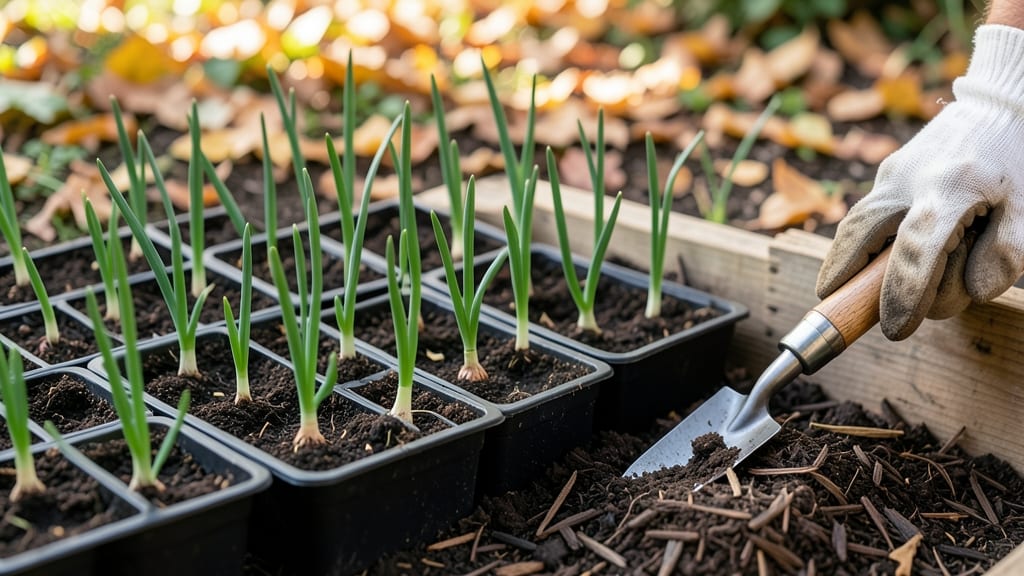
Knowing when to plant fall onions in Zone 7 isn’t just about timing—it’s about unlocking the secret to sweet, plump bulbs instead of skinny green shoots. With Zone 7’s mild winters and 4-6 weeks between your last frost and harvest, you’ve got a narrow window to get it right.
Most gardeners in 7a-7b rush planting too late, missing the sweet spot for bulb development. The key? Start 8-10 weeks before your first frost—typically late July to early August—for onions that store like pros.
But here’s the catch: plant too early, and you risk bolting; too late, and you’ll end up with tiny, bitter harvests.
I’ve tested this with 🧅 Yellowstone and Texas Early White varieties, and the difference is night and day. Whether you’re using sets or seeds, this guide breaks down the exact weeks to plant, adjust for your microclimate, and even tweak for storage potential. Let’s get those onions growing right.
Skip the guesswork—because in Zone 7, timing isn’t optional. We’ll cover everything from soil prep to frost-proofing your harvest, so you can enjoy homegrown onions all winter long. Ready to plant with confidence?

Optimal planting windows for fall onions in Zone 7 (with frost timeline)
In Zone 7, where the first frost typically arrives around mid-October, timing your fall onion planting is all about working backward from that date. Onions need 60-90 days to mature into plump bulbs, so your window is tight but doable with the right strategy.
Planting too early risks bolting (flowering prematurely), while planting too late yields small, pungent bulbs. Let’s break down the exact weeks to aim for based on your location within Zone 7.
For most of Zone 7, including cities like Richmond, VA and Nashville, TN, the sweet spot is 4-6 weeks before your average first frost. That translates to late August to early September for the best results.
However, cooler microclimates (like higher elevations) may need an earlier start, while hotter areas can push planting into mid-September. Understanding your local frost date is key—check your USDA Zone 7a/7b frost calendar for precision.
Here’s the critical rule: Count backward from frost. If your first frost is October 15, subtract 90 days (for long-day varieties) or 60 days (for short-day types) to land on your planting window.
For example, a 90-day onion like ‘Yellowstone’ should be in the ground by July 15, while a 60-day variety like ‘Candy’ can wait until August 15. This math ensures bulbs mature before frost without bolting.
Pro tip: Use onion sets (small bulbs) instead of seeds for fall planting—they mature faster and are less likely to bolt. Sets are ideal for Zone 7’s short growing season and give you more flexibility to adjust planting dates.
If you’re using seeds, start them indoors 8-10 weeks before transplanting to align with your frost timeline.
Soil temperature matters too. Onions thrive when soil is between 50°F and 75°F. In Zone 7, soil may still be warm in late August, which can stress young plants.
Wait until soil cools slightly (below 80°F) to plant, or use shade cloth to protect seedlings from heat stress. This small adjustment can prevent bolting and improve bulb quality.
Don’t overlook regional variations within Zone 7. For example, Richmond, VA (Zone 7b) has a longer growing season, so you can push planting into early September for larger bulbs.
Meanwhile, Nashville, TN (Zone 7a) may need to start onions by mid-August to avoid early frosts. Check your local Cooperative Extension Service for hyper-local frost data.
Once planted, focus on consistent moisture and full sun to encourage bulb development. Reduce watering as you approach frost to toughen bulbs for storage. With the right timing, you’ll harvest plump, sweet onions just as winter sets in—perfect for storing or enjoying fresh through the holidays.
🌱 Remember: The 4-6 week rule before frost is your golden ticket to success. Mark your calendar now and set a reminder to plant—your future self (and your taste buds) will thank you!
Optimal planting windows for fall onions in Zone 7 (with frost timeline)
In Zone 7, fall onions thrive when planted 4-6 weeks before your first frost, typically between late July and mid-September. This window ensures bulbs mature before cold sets in, preventing bolting or poor storage quality.
For most of Zone 7, aim for August 15–September 1—a sweet spot that balances growth time and frost risk.
Your exact planting date depends on your last frost date and the maturity days of your onion variety. For example, if your first frost is October 15, plant 90-day varieties by July 15 and 60-day varieties by August 15 to harvest before cold arrives.
| Planting Window | Zone 7 Location | First Frost Avg. | Ideal Variety |
|---|---|---|---|
| Late July–Early Aug | Northern Zone 7 (e.g., Richmond) | Oct 10–15 | 90-day (e.g., 'Yellowstone') |
| Mid-Aug–Late Aug | Central Zone 7 (e.g., Nashville) | Oct 15–20 | 75–90-day (e.g., 'Candy') |
| Early–Mid Sept | Southern Zone 7 (e.g., Birmingham) | Nov 1–10 | 60–75-day (e.g., 'Texas Early White') |
Use this frost countdown rule: Subtract your variety’s days to maturity from your first frost date. For example, if your frost is October 15 and your onions need 80 days, plant by July 26.
Late plantings (after September 1) risk smaller bulbs but avoid bolting in hot summers.
Pro tip: Check your local Almanac’s frost dates—they can vary by 1–2 weeks from averages. For instance, Richmond’s frost often hits earlier than Nashville’s, so adjust accordingly. Overplanting by 10–15% accounts for uneven germination.
Soil temperature matters too: Onions grow best in 50–75°F soil. In Zone 7’s hot summers, plant shallow sets (½ inch deep) to cool roots. If your soil stays above 80°F for weeks, opt for shorter-day varieties like 'Texas Early White' to prevent bolting.
Remember, harvest timing isn’t just about frost—it’s about bulb firmness. Pull onions when tops yellow and necks tighten, even if frost isn’t imminent. Cure them in dry shade for 2–3 weeks before storing to extend shelf life through winter.