
Flowers
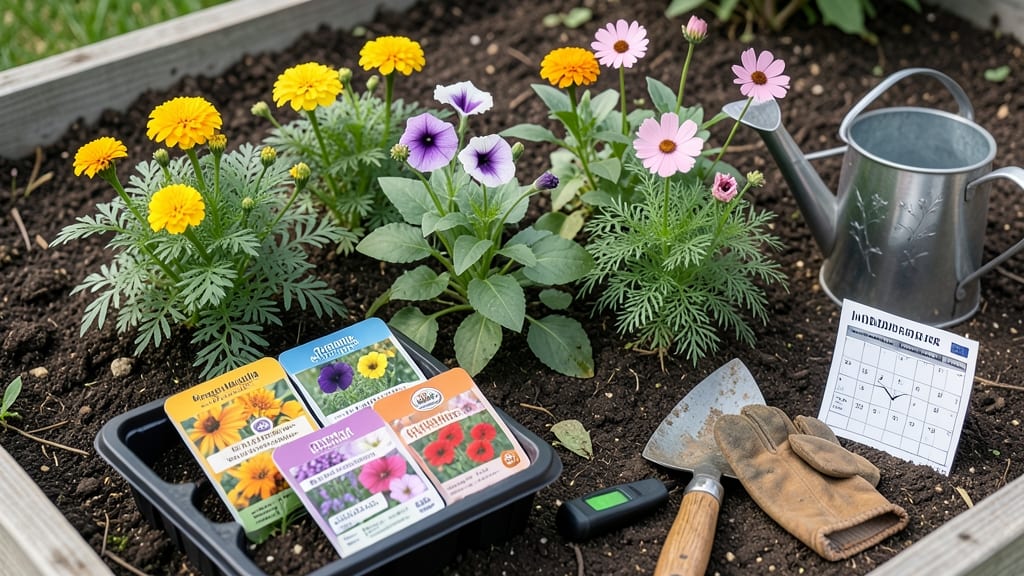
Knowing when to plant flower seeds in Indiana could mean the difference between a garden bursting with color and a season of missed blooms.
With Indiana’s Zone 5b-6b climate, you’ve got a short but sweet window—typically April to May—to get seeds in the ground after that last frost sneaks through. But here’s the kicker: some flowers thrive when planted earlier, while others wait for warmer soil to take off.
I’ll break down the exact months for spring, summer, and fall planting, plus which 🌸 flower seeds perform best in your region. Whether you’re starting indoors or sowing directly, these tips will help you avoid frost damage and drought stress.
Ready to transform your yard into a nonstop floral show? Let’s dive into the perfect planting schedule for Indiana’s unique growing seasons.
Indiana flower seed planting calendar by season (Zone 6 guide)
Indiana’s Zone 6 climate creates a 165-day frost-free window, but planting flower seeds at the wrong time can mean wilted seedlings or missed blooms. The key is aligning your planting with soil temperatures, last frost dates, and seasonal microclimates.
Northern Indiana (Zone 6a) has slightly earlier frosts than southern Indiana (Zone 6b), so adjust your timing by 1-2 weeks accordingly.
For annual flowers, most gardeners aim for April to May after the average last frost date (mid-April in southern Indiana, early May in the north). Perennials and bulbs often get a head start indoors in March or direct-sown in September for fall blooms.
Let’s break down the month-by-month planting schedule to maximize your garden’s potential.
🌱 PRO TIP: Use a soil thermometer to confirm 60°F+ soil temps before direct sowing—cold soil slows germination and invites rot. Most flower seeds need warm soil to sprout efficiently.
| Season | Planting Time | Best Flowers | Soil Temp | Notes |
|---|---|---|---|---|
| Spring | March (Indoors) April-May (Outdoors) |
Pansies, Snapdragons, Marigolds, Petunias, Calendula | 50°F+ (Indoors) 60°F+ (Outdoors) |
Start cool-season flowers indoors 6-8 weeks before last frost. Direct sow after mid-April in southern Indiana. |
| Summer | June-July | Cosmos, Zinnias, Sunflowers, Nasturtiums, Basil Flowers | 70°F+ | Perfect for heat-loving annuals. Succession plant every 2 weeks for continuous blooms. |
| Fall | September-October | Asters, Goldenrod, Black-Eyed Susans, Pansies, Sweet Alyssum | 55°F+ | Plant perennials and biennials by September 15 for fall/winter color. Avoid late plantings—frost kills tender seedlings. |
| Winter | None (Dormant) | Bulbs (Tulips, Daffodils) | N/A (Plant in Fall) | Bulbs only. Plant tulips and daffodils in October-November for spring blooms. |
Indiana’s microclimates can shift planting windows by 1-3 weeks. For example, urban areas like Indianapolis often warm up faster than rural Zone 6a regions.
If you’re in doubt, use row covers to protect early sowings or opt for heat-tolerant varieties like cosmos or zinnias, which thrive in summer heat.
For slow-germinating seeds (e.g., larkspur or delphinium), start them indoors in March under grow lights. These cool-season lovers bolt (go to seed) quickly if transplanted too late. Warm-season flowers like sunflowers or marigolds can handle direct sowing as early as late April if soil temps are ideal.
🌡️ CLIMATE ALERT: Indiana’s first frost typically hits mid-October, but northern counties can see frost as early as September 20. Plan fall plantings to mature 6-8 weeks before frost—or use row covers to extend the season.
Don’t overlook succession planting! By sowing every 2 weeks from April to July, you’ll enjoy non-stop blooms all summer. For example, zinnias sown in June will bloom just as early spring pansies fade. This strategy works for cosmos, sunflowers, and nasturtiums too.
Finally, test your soil before planting—Indiana’s clay-heavy soil often needs compost or sand to improve drainage. Aim for a pH of 6.0-7.0 for most flowers. Amend beds in early spring to give seeds the best start.
Best flowers to plant in Indiana by season (fastest blooms to longest-lasting)
Indiana’s Zone 6 climate lets you grow everything from fast-blooming annuals to long-lived perennials, but the key is matching flowers to the right season. For spring blooms, start with pansies and sweet peas—they handle cool soil and even light frosts.
By summer, cosmos and zinnias take center stage, thriving in the heat and attracting pollinators. And don’t overlook fall perennials like black-eyed Susans or mums, which add late-season color before winter.
Here’s my top-picked list of flowers for each season, ranked by bloom speed, drought resistance, and Indiana’s short but intense growing season. Whether you want instant color or year-after-year blooms, these varieties won’t let you down.
🌸 Fastest Blooms (30-60 Days)
- 1. Marigolds – 21-30 days to bloom; repel pests and love full sun.
- 2. Zinnias – 45-60 days; cut flowers last 1-2 weeks in vases.
- 3. Sunflowers – 50-60 days; tall varieties (6+ ft) need staking.
- 4. Cosmos – 50-60 days; drought-tolerant once established.
- 5. Snapdragons – 60-75 days; cool-season performers for spring/fall.
For long-lasting perennials that return year after year, prioritize coneflowers, daylilies, and bee balm. These thrive in Indiana’s humid summers and variable springs, offering low-maintenance beauty with minimal fuss. Pro tip: Plant perennials in early spring (March-April) or late summer (August) to avoid transplant shock during peak heat.
If you’re short on time, annuals like petunias and impatiens deliver instant color when started indoors in February-March. Transplant them outdoors after the last frost (mid-April) for a summer-long display.
Just remember: petunias need morning sun to prevent wilting, while impatiens tolerate partial shade, making them perfect for shadier spots.
For fall interest, don’t miss asters and chrysanthemums. Sow aster seeds in early summer (June) for late-summer to fall blooms, while mums can be planted as potted plants in August for October-November color.
Both handle Indiana’s cool nights beautifully and add structure to winter gardens with dried blooms.
To maximize your garden’s visual impact, mix fast bloomers (like marigolds) with long-season performers (like coneflowers). Start with 3-5 plants per variety to create clusters that pop against green foliage. And always deadhead spent blooms—it tricks plants into producing more flowers instead of seeds.