
Trees
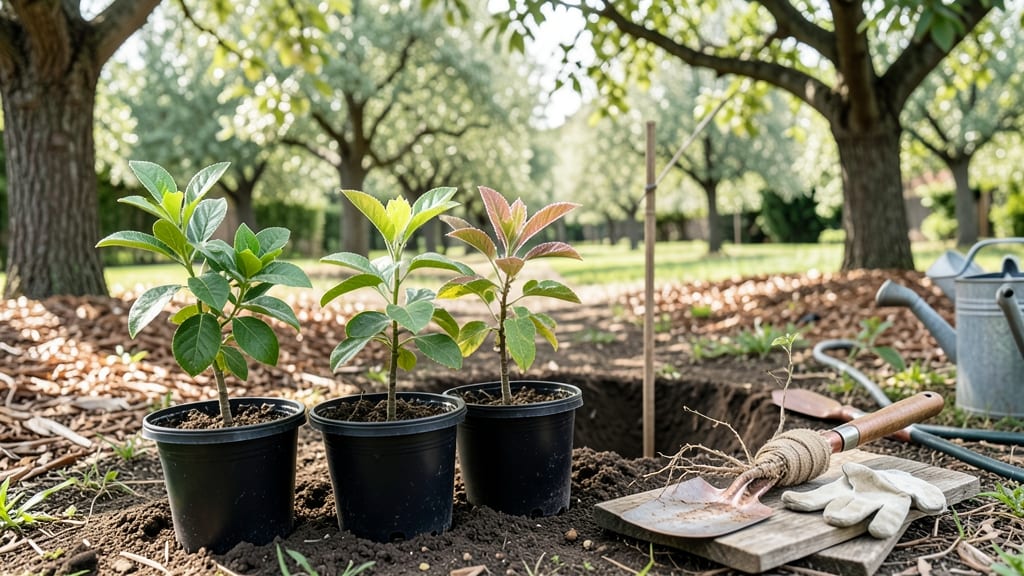
Timing your fruit tree planting in California could mean the difference between a thriving orchard and years of frustration—especially when you consider the state’s diverse microclimates and chill-hour needs. Whether you're dreaming of juicy peaches or sweet citrus, getting the season right is the key to success.
I’ve seen firsthand how a few weeks off can delay fruiting or even kill young trees, so let’s cut through the confusion and focus on what actually works.
California’s climate ranges from frost-prone valleys to nearly frost-free coastal areas, making a one-size-fits-all approach a recipe for failure. The right moment depends on your specific region—think late winter for stone fruits in the Central Valley or early spring for citrus in Southern California.
We’ll break down the best months for each variety, so you can plant with confidence and avoid common pitfalls.
What makes this even more challenging is that some fruit trees need chill hours to set fruit, while others thrive in warm climates without them. I’ll show you how to match your tree to your local conditions, whether you’re in Zone 7 or Zone 10.
No more guessing—just science-backed timing that sets you up for a bountiful harvest.
Ready to turn your backyard into a fruit-filled paradise? Let’s dive into the exact planting windows, soil prep tips, and variety recommendations that will have your trees flourishing in no time. Your future orchard starts with the right move—and that move is timing.
California fruit tree planting calendar by chill-hour zones
California’s diverse climate—from frost-prone Northern valleys to mild coastal regions—means planting timing varies dramatically. The key? Matching your fruit tree variety to your chill-hour zone. Most stone fruits (peaches, plums) need 300-700 chill hours, while citrus thrives with 0-200 chill hours.
Let’s break down the best months for each zone.
In Northern California (e.g., Sacramento, Redding), where winters are colder, plant bare-root trees in late winter (February-March) before bud break. For Central California (San Joaquin Valley), aim for early spring (March-April) when soil warms to 60°F.
Southern California’s mild winters allow planting year-round, but late fall to early winter (November-January) minimizes transplant shock.
🌱
🌡️ California Chill-Hour Zones & Planting Windows
| Zone | Chill Hours | Best Planting Month | Ideal Varieties |
|---|---|---|---|
| Northern (e.g., Redding) | 600-900 | February-March | Apples, Pears, Cherries |
| Central (e.g., Fresno) | 300-500 | March-April | Peaches, Plums, Nectarines |
| Southern (e.g., LA) | 0-200 | November-January | Citrus, Olives, Figs |
| Coastal (e.g., San Francisco) | 200-400 | January-February | Avocados, Persimmons |
💡 Pro Tip: Use bare-root trees in dormant season for faster establishment.
For stone fruits like peaches and plums, plant when chill hours are satisfied but before bud break. In Northern California, this is typically late February, while Southern regions may wait until March. Citrus trees, however, prefer cooler fall planting to reduce transplant shock from summer heat.
Soil temperature is critical—wait until it reaches 60°F at 6 inches deep. Use a soil thermometer to monitor. In coastal areas, cooler soils may delay planting until March, even if chill hours are met.
For container-grown trees, plant anytime soil isn’t frozen, but spring is ideal for root establishment.
🌿
If you’re in a transition zone (e.g., Santa Barbara), opt for low-chill varieties like ‘Sierra Gold’ nectarine (250 chill hours) or ‘Flame’ plum (300 chill hours).
These thrive where traditional varieties fail. For high-chill areas (e.g., Eureka), choose ‘Granny Smith’ apples (700+ chill hours) or ‘Bing’ cherries.
🌳
After planting, mulch heavily (3-4 inches) to retain moisture and regulate soil temperature. In drought-prone regions, drip irrigation is a must—water deeply 2-3 times per week for the first year.
Avoid overhead watering to prevent disease. Prune lightly in late winter to encourage airflow and fruit production.
✂️
Best fruit tree varieties for California’s low-chill climates
California’s mild winters make it tricky to grow traditional fruit trees that need hundreds of chill hours—but don’t worry, there are plenty of varieties that thrive with fewer than 500 chill hours.
I’ve planted everything from low-chill peaches to heat-tolerant citrus in my own backyard, and these are the winners that consistently deliver fruit without fuss. The key is matching your tree’s chill-hour needs to your local microclimate, whether you’re in Southern California’s Zone 10 or the Central Valley’s Zone 8.
For example, if you’re in Los Angeles or San Diego, where winters rarely drop below freezing, you’ll want varieties like the ‘Lemonsweet’ lemon or ‘Sierra Gold’ nectarine—both of which need only 200-300 chill hours.
Meanwhile, in Sacramento or Fresno, where winters are cooler, you can grow traditional peaches and plums with 300-500 chill hours. The right choice depends on your last frost date and average winter lows.
Here’s a quick breakdown of the top low-chill fruit trees that do exceptionally well in California, along with their ideal planting windows and care tips. These varieties are proven performers in my garden and those of fellow California growers, so you can trust they’ll deliver both beauty and bounty.
When selecting your fruit trees, always check the chill-hour requirements on the nursery tag—this number tells you how many hours below 45°F the tree needs to set fruit.
For example, my ‘Sierra Gold’ nectarine gets planted in late February because it needs 250-300 chill hours, which aligns perfectly with Sacramento’s winter.
If you’re in a warmer microclimate, like Riverside or Palm Springs, you’ll want to stick to varieties like ‘Improved Meyer’ lemon, which needs only 100-150 chill hours.
One common mistake I see is planting high-chill trees like ‘Granny Smith’ apples (which need 800+ chill hours) in Southern California. These trees will either fail to fruit or grow poorly because they’re not getting enough cold exposure.
Instead, opt for low-chill alternatives like ‘Anna’ apple (300-400 chill hours) or ‘Goldmine’ peach (200-250 chill hours). Always research your local USDA zone and microclimate to avoid disappointment.
Pro tip: If you’re unsure about your local chill hours, check with your county agricultural extension office—they often have data on average winter lows for your area.
I’ve also found that planting bare-root trees in late winter gives them a head start on growth before the heat of summer arrives. With the right variety and timing, you’ll be harvesting fruit in just a few years—no chill-hour stress required!