
Trees
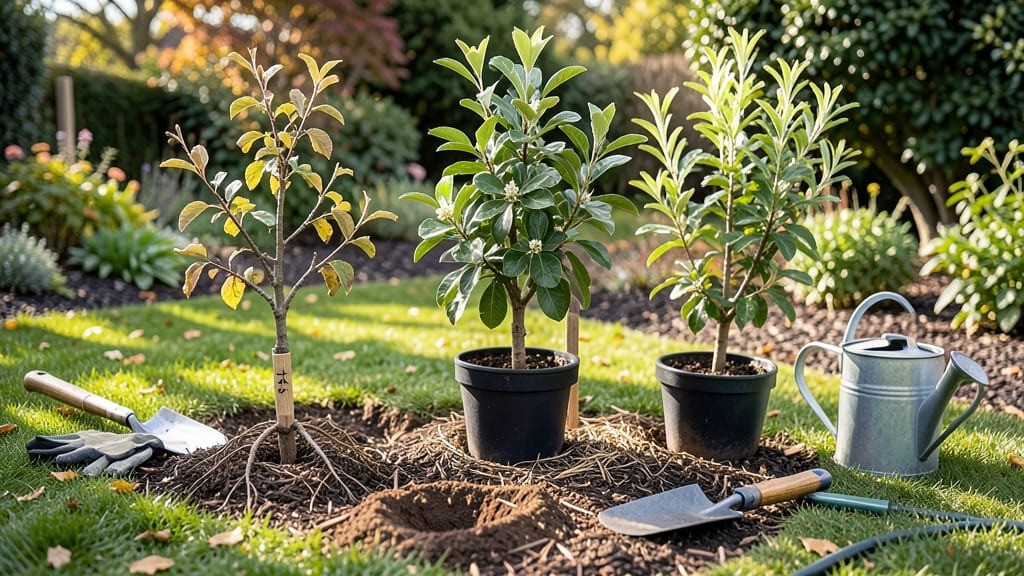
Timing your fruit tree planting in New Zealand isn’t just about seasons—it’s about matching chill hours to your region’s climate. Whether you’re in the subtropical warmth of Northland or the cooler high country of Canterbury, planting at the wrong time can mean years of disappointment instead of juicy harvests.
I’ve seen gardeners rush into planting their favorite apple or peach trees in spring, only to watch them struggle—or worse, fail—because they didn’t account for their local chill-hour needs.
The key to success? Understanding how 300 chill hours in Auckland differ from 800+ in Central Otago, and which varieties thrive in each zone.
In this guide, I’ll break down exactly when to plant your fruit trees based on NZ’s five climate zones, from subtropical citrus to high-chill apples. You’ll learn how to avoid common mistakes, like planting peaches too early in frost-prone areas, and discover the best varieties for your microclimate.
Ready to turn your backyard into a thriving orchard? Let’s dive into the chill-hour secrets that will set your fruit trees up for a bountiful future.
New Zealand fruit tree planting seasons by chill-hour requirements
New Zealand’s climate zones range from subtropical in the far north to alpine conditions in the South Island, making chill-hour requirements the key to successful fruit tree planting. Most fruit trees need a specific number of hours below 7°C (45°F) to trigger flowering—this is called their chill requirement.
For example, apples and pears typically need 500–1,000 chill hours, while peaches and nectarines thrive with just 300–500 hours. Planting at the wrong time can lead to poor fruit set or no harvest at all.
Understanding your region’s chill hours helps you choose the right varieties. For instance, Hawke’s Bay averages 800+ chill hours, perfect for apples, while Auckland’s subtropical zone only reaches 200–300 hours, making it ideal for citrus and low-chill stone fruits.
The best planting window is typically late winter to early spring, just before buds swell, ensuring roots establish before summer heat arrives.
Here’s a quick breakdown of New Zealand’s five main climate zones and their ideal planting seasons for fruit trees:
For high-chill varieties like Braeburn apples or Packham’s pears, planting in Canterbury or Otago during October–November ensures they receive enough winter chill before budding.
In contrast, low-chill varieties such as Redhaven peaches or Santa Rosa plums should go into the ground in Auckland or Northland between August and September to avoid heat stress.
Always check your local NIWA climate data or ask your nursery for chill-hour labels on tree tags. For example, a Fuji apple tree labeled with 800 chill hours won’t thrive in Auckland (300 hours), but it’ll excel in Central Otago (1,000+ hours).
Microclimates matter too—plant near water features or north-facing slopes to extend your growing season.
Soil preparation is just as critical as timing. Work in compost or well-rotted manure before planting to improve drainage, especially in clay-heavy soils like those in Wellington. Mulch with wood chips or straw to retain moisture during New Zealand’s dry summers.
Avoid planting in waterlogged areas, as root rot can kill young trees before they bear fruit.
One common mistake is planting bare-root trees too late in the season. These should go into the ground before bud break (usually September–October in most regions). If you’re using container-grown trees, you have a slightly longer window—up to November—but still aim to plant before summer heat sets in.
Always water deeply after planting to encourage root growth into the surrounding soil.
Remember, frost dates are your friend. In Canterbury and Otago, late frosts in September can damage early blooms, so choose late-flowering varieties like Granny Smith apples.
In Hawke’s Bay, where frosts are rare, you can push planting into early October without risk. Use frost cloths if you’re unsure about your local frost patterns.
By matching your fruit tree variety to your region’s chill hours and planting at the right time, you’ll set your orchard up for success. Next, we’ll dive into how to interpret chill-hour data and select the perfect trees for your garden—no guesswork required!
How to match fruit tree varieties to your region’s chill hours
Selecting the right fruit tree variety for your New Zealand region isn’t just about personal preference—it’s about matching chill hours to your local climate. Chill hours are the number of hours below 7°C (45°F) your tree needs to break dormancy and produce fruit.
Planting a high-chill apple in subtropical Northland? You’ll end up with a tree that flowers but never fruits. Let’s fix that.
Start by checking your region’s chill-hour zone using NIWA’s climate maps or your local agricultural extension service. For example, Auckland typically has 300–500 chill hours, while Central Otago sees 800+ hours.
Nurseries often label varieties with their chill-hour requirements—look for this info before buying. If you’re unsure, ask your local nursery for recommendations tailored to your microclimate.
| Fruit Type | Chill Hours Needed | Best NZ Regions | Top Varieties |
|---|---|---|---|
| High-Chill (600–1000+) | 600–1000+ | Canterbury, Otago, Southland | Braeburn, Granny Smith, Cox’s Orange |
| Medium-Chill (300–600) | 300–600 | Waikato, Hawke’s Bay, Marlborough | Santa Rosa plum, Nectarine ‘Springcrest’ |
| Low-Chill (100–300) | 100–300 | Northland, Bay of Plenty, Auckland | Peach ‘Redhaven’, Cherry ‘Stella’ |
Once you’ve matched your chill hours, time your planting for late autumn to early spring—typically April to August. This gives roots time to establish before the growing season.
For subtropical areas like Northland, you can extend planting into September, but avoid planting in summer when heat stress can damage young trees. Pro tip: Bare-root trees can be planted in winter (June–July), while container-grown trees are more flexible and can go in spring or autumn.
Don’t overlook pollination groups—many fruit trees need a second variety nearby for cross-pollination. For example, if you plant a Granny Smith apple, add a Braeburn or Pink Lady within 50 meters for better fruit set.
Check the label or ask your nursery for compatible pairs. In cooler regions like Central Otago, consider self-pollinating varieties like ‘Cox’s Orange’ pippin to simplify your orchard.
After planting, monitor your tree’s progress. If it flowers but doesn’t fruit after 2–3 years, it’s likely not getting enough chill hours. Adjust by moving it to a cooler microclimate or choosing a low-chill variety next time.
With the right match, your fruit tree will reward you with abundant harvests for decades.
🌱