
Trees
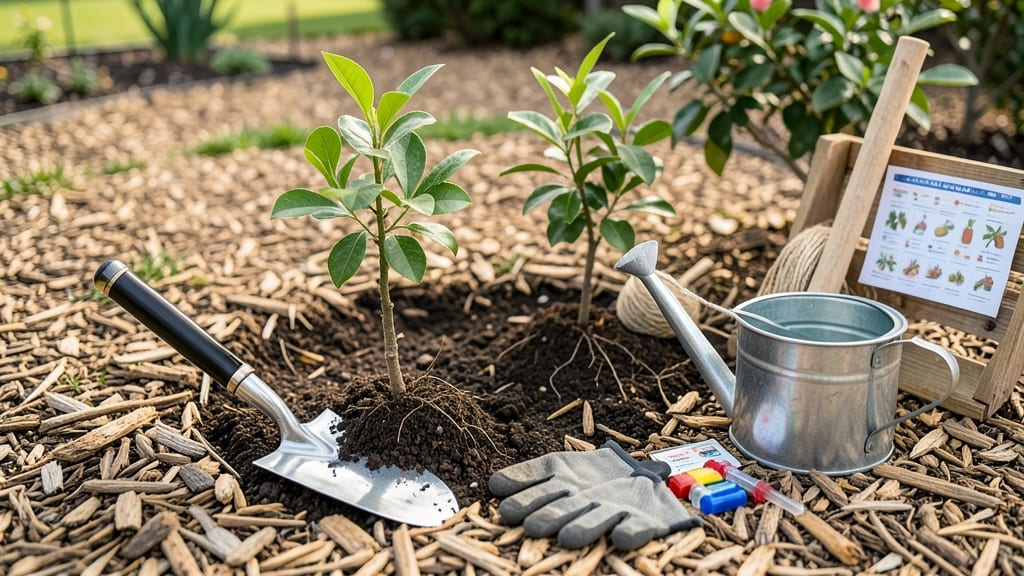
Timing your fruit tree 🍎 planting in Zone 8b isn't just about the calendar—it's about matching chill hours to your tree's needs, and getting it wrong could mean skipped blooms or stunted growth.
With mild winters and hot summers, Zone 8b presents unique challenges that most guides overlook, leaving many gardeners frustrated when their trees fail to fruit.
If you've ever wondered why your peach tree blooms but never bears fruit, or why your apple sapling struggles to thrive, the answer likely lies in when—and how—you planted it.
The key window for Zone 8b runs from late winter to early spring, but not all fruit trees are created equal. Some need 600 chill hours, while others thrive with just 300, and planting at the wrong time can throw off their entire growth cycle.
In this guide, I'll break down exactly when to plant each type of fruit tree in your climate—whether it's citrus, stone fruit, or pomegranates—and how to adjust for your specific microclimate.
You'll learn how to time your planting for maximum root establishment, avoid frost damage, and set your trees up for a bountiful harvest in just a few years.
Ready to stop guessing and start growing? Let's dive into the Zone 8b planting calendar that actually works for your fruit trees.

Best planting months for fruit trees in Zone 8b based on chill hours
Zone 8b's mild winters make timing critical for fruit trees—plant too early, and roots struggle with heat; too late, and dormancy breaks prematurely. The ideal window is late winter to early spring (February–March), when soil warms but frost risks linger.
This aligns with chill-hour requirements, ensuring buds set properly for spring blooms.
Chill hours (0°F–45°F) trigger dormancy in most fruit trees. Zone 8b typically accumulates 500–1,000 chill hours, favoring low-chill varieties like 'Bonanza' peaches (300–500 hours) or 'Flame Princess' nectarines (400–600 hours).
High-chill apples or pears (800+ hours) may struggle unless you choose specialized cultivars.
Here’s how to match your fruit tree to Zone 8b’s climate for reliable blooms and harvests:
| Fruit Tree | Chill Hours | Best Planting Month | Notes |
|---|---|---|---|
| Peach/Nectarine | 300–600 | February–March | Plant after last frost; mulch heavily. |
| Plum | 400–800 | February–April | Choose low-chill varieties like 'Santa Rosa'. |
| Citrus (Lemon/Lime) | 0–200 | March–April | Avoid frost; use containers for mobility. |
| Fig | 100–300 | February–March | Drought-tolerant; plant in well-draining soil. |
| Pomegranate | 300–500 | March–April | Needs full sun; avoid waterlogging. |
For stone fruits (peaches, plums), aim to plant 4–6 weeks before your last frost date (typically mid-February in Zone 8b). This gives roots time to establish before active growth begins. Use a soil thermometer—roots need soil temps above 45°F to thrive.
Citrus and pomegranates are exceptions—they hate frost and should wait until March or April when nighttime temps stay above 35°F. Container-grown trees offer flexibility; move them indoors during unexpected cold snaps.
Pro tip: Bare-root trees (sold dormant) plant best in late winter (February), while container-grown trees can go in until early spring (March). The key is balancing root growth with bud dormancy—plant too early, and roots wake up before buds, stressing the tree.
If you miss the spring window, fall planting (October–November) is a backup, but only for container-grown trees. Roots need 6–8 weeks to establish before winter dormancy sets in. Avoid fall planting for bare-root trees in Zone 8b—they may not harden off in time.
Microclimates matter! Coastal Zone 8b areas (e.g., San Diego) have milder winters and can plant citrus in late winter, while inland areas (e.g., Las Vegas) should delay until March to avoid late frosts. Always check your local frost dates—they vary even within Zone 8b.
Remember: Dwarf varieties establish faster and fruit sooner, making them ideal for Zone 8b’s shorter growing season. Pair them with windbreaks if your yard is exposed to cold air pockets.
How to adjust planting timing for low-chill varieties in Zone 8b
Zone 8b’s mild winters make it tricky to grow traditional fruit trees that need 500+ chill hours. But low-chill varieties like 'Bonanza' peaches or 'Flame Princess' nectarines thrive here—if planted at the right time. The key? Avoiding late frosts while ensuring roots establish before summer heat arrives.
For low-chill trees, aim to plant 4-6 weeks before your last frost date (typically mid-February in Zone 8b). This gives roots time to anchor before buds break in early spring.
If you plant too early, roots may struggle in cold soil; too late, and the tree won’t establish before summer stress begins.
Soil temperature is your best guide. Use a soil thermometer to confirm it’s above 50°F (10°C) at a 4-inch depth before planting. Cooler soils slow root growth, while warmer soils (above 60°F/15°C) encourage rapid establishment—ideal for Zone 8b’s quick warm-ups.
Late Frost Risk in Zone 8b
Planting low-chill varieties too early (e.g., December) exposes them to late frost damage when buds swell. Wait until February to minimize risk, especially for stone fruits like peaches and plums.
🌡️ Pro Tip: Monitor local frost forecasts. Coastal areas (e.g., San Diego) have later frosts than inland (e.g., Phoenix). Adjust timing accordingly.
Microclimates play a huge role in Zone 8b. A south-facing slope warms faster in winter, while a northern exposure stays cooler longer. Plant low-chill trees on the warmest part of your property to extend the growing season.
If your yard has multiple microclimates, prioritize planting near sunny, sheltered spots away from cold air pockets.
Container planting is a game-changer for Zone 8b’s unpredictable frosts. Move potted low-chill trees to a protected garage or patio during cold snaps (below 32°F/0°C). Use 5-gallon pots minimum for dwarf varieties like 'Improved Meyer' lemon to prevent root circling.
After planting, mulch heavily (3-4 inches of wood chips) to insulate roots. Water deeply once a week unless rain falls, keeping soil moist but not soggy. Low-chill trees need consistent moisture to set fruit, but soggy soil invites root rot—critical in Zone 8b’s humid summers.