
Planting
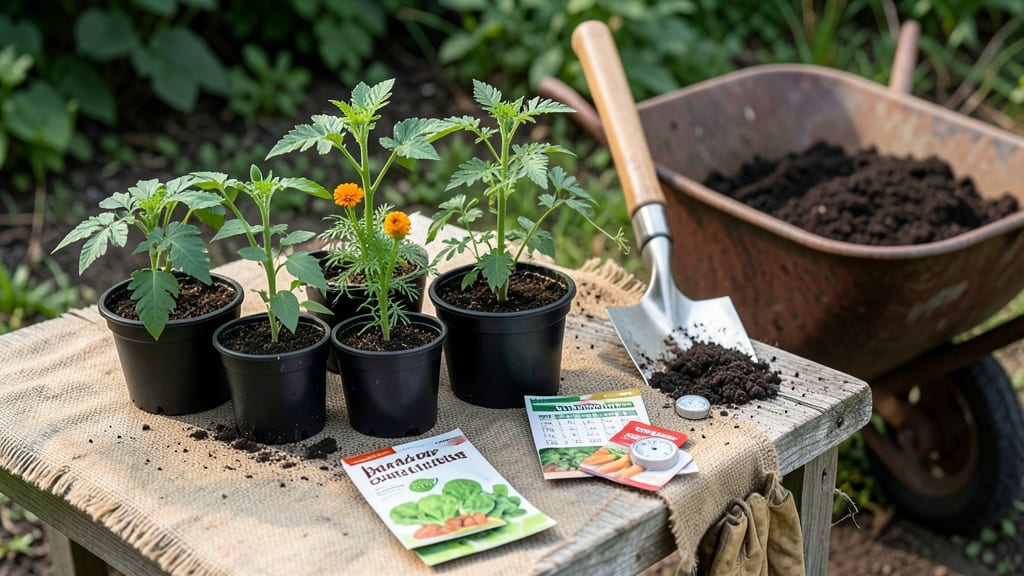
When to plant a garden in Nebraska just right could mean the difference between a bumper crop and a disappointing harvest. Nebraska’s 5a-6b climate zones demand precision—plant too early, and frost will nip your seedlings; too late, and you’ll miss peak growing season.
I’ve spent years tracking Nebraska’s frost dates, and what I’ve learned will save you from costly mistakes. Whether you’re planting cool-season veggies like lettuce or heat-lovers like tomatoes, knowing when to start seeds indoors or set plants in the ground is the key to success.
From late April’s last frost to fall’s first chill in October, Nebraska’s growing window is tight. This guide breaks down the exact planting windows for your favorite crops, so you can maximize your harvest without guessing.
Ready to turn your garden dreams into reality? Let’s dive into the frost-date cheat sheet that’ll help you plan like a pro.
Nebraska’s frost dates by USDA hardiness Zone: exact planting windows
Nebraska’s USDA zones 5a-6b create a unique gardening challenge—where last spring frosts can arrive as early as March 20 in western areas (Zone 6b) or as late as May 1 in eastern regions (Zone 5a). These variations mean your planting window could shift by 6 weeks depending on location.
To avoid frost damage, always check your local USDA zone and monitor soil temperatures—most warm-season crops need 50°F+ soil to thrive. Nebraska’s first fall frost typically arrives between October 10 (west) and October 25 (east), giving you a 150-180 day growing season in most areas.
Here’s how to use Nebraska’s frost data to plan your spring and fall plantings with precision:
| USDA Zone | Avg. Last Frost | Avg. First Frost | Planting Window | Notes |
|---|---|---|---|---|
| 5a (Eastern NE) | May 1 | October 25 | May 15–Sept 15 | Shortest season; prioritize cold-hardy crops. |
| 5b (Central NE) | April 25 | October 15 | April 30–Sept 30 | Ideal for warm-season veggies; use row covers for early starts. |
| 6a (Western NE) | April 10 | October 10 | April 15–Oct 5 | Longest season; plant heat-tolerant varieties. |
| 6b (Panhandle) | March 20 | October 5 | March 25–Oct 10 | Extended season; experiment with tropical plants. |
For cool-season crops like spinach, peas, and kale, you can plant as early as March 15 in Zone 6b or April 1 in Zone 5a. These hardy plants tolerate light frosts and can even overwinter with mulch protection.
Warm-season crops like tomatoes, peppers, and cucumbers demand patience—wait until two weeks after your last frost date to transplant seedlings. In Zone 5a, this often means May 15, while Zone 6b gardeners can start as early as April 20.
Pro tip: Use biodegradable row covers to extend your spring planting window by 2-3 weeks. These lightweight fabrics protect tender seedlings from late frosts while allowing sunlight and water to penetrate.
In fall, prioritize fast-maturing crops like radishes, lettuce, and carrots for a late harvest. Plant these 6-8 weeks before your first frost—typically August 15 in Zone 5a or September 1 in Zone 6b.
Nebraska’s variable weather means even the most precise planting schedule can go awry. Always keep a backup seed packet ready for late frosts or drought delays—your garden’s success depends on flexibility as much as timing!
Best planting schedule for Nebraska’s top 10 vegetables (with adjustments for early/late years)
Nebraska’s variable frost dates make planting a moving target—but this schedule keeps your garden on track. I’ve included backup dates for years with late frosts (like 2023’s May 10 last frost in Lincoln) and heat-tolerant varieties for Zone 6b areas.
For cool-season crops like lettuce and peas, start seeds indoors 4-6 weeks before your last frost date. In Zone 5a, that’s mid-March; in Zone 6b, aim for late March. Transplant seedlings outdoors 2 weeks before the average last frost (typically April 15-30).
Warm-season crops like tomatoes and corn need soil temperatures above 50°F. Use a soil thermometer to confirm—wait until late May in northern Nebraska or mid-May in southern regions. For early starts, harden off seedlings indoors by mid-April and use row covers if frost threatens.
🌱 Nebraska’s Top 10 Vegetables & Planting Timeline
- 1. Lettuce & Spinach – Start indoors March 15 (Zone 5a) or March 1 (Zone 6b); transplant April 1-15. Fall planting: July 15-August 1.
- 2. Peas & Radishes – Direct sow April 1-15; radishes tolerate light frost. Fall radishes: July 15-August 15.
- 3. Tomatoes & Peppers – Start indoors March 1; transplant May 15-30 after soil warms. Use heat-tolerant varieties like ‘Heatmaster’ tomatoes for Zone 6b.
- 4. Corn – Plant May 1-15; succession plant every 2 weeks for continuous harvest. Minimum 3 rows for pollination.
- 5. Beans (Bush & Pole) – Sow May 15-June 1 after frost risk passes. Pole beans need trellis support (6+ ft tall).
- 6. Cucumbers & Zucchini – Plant May 15-30; choose bush varieties for smaller spaces. Fall planting: July 1.
- 7. Carrots & Beets – Direct sow April 1-May 15; thin seedlings to 2-3 inches apart. Fall crop: July 15-August 1.
- 8. Onions & Garlic – Plant sets April 1-15; garlic can also be planted in fall (October) for next year’s harvest.
- 9. Potatoes – Plant April 15-May 1; choose early varieties like ‘Yukon Gold’ for shorter seasons.
- 10. Kale & Swiss Chard – Sow March 15-April 15 or July 15-August 15 for fall harvest. Cold-hardy to 20°F.
⚠️ Pro Tip: Adjust dates 1-2 weeks later if your area had an early frost (e.g., 2023’s May 10 last frost in Lincoln).
For fall planting, focus on cool-season crops like broccoli, kale, and spinach. Sow seeds 8-10 weeks before the first frost (typically July 15-August 1).
Use row covers to extend harvests into October. Heat-loving crops like tomatoes and peppers won’t survive Nebraska’s first frost (October 15), so prioritize fast-maturing varieties.
Monitor Nebraska State Climate Office updates for real-time frost forecasts.
In Zone 5a, add 7-10 days to planting dates compared to Zone 6b. For example, tomatoes in Omaha (Zone 5b) should go in May 20, while Lincoln (Zone 6a) can plant May 15. Succession planting every 2 weeks ensures a steady harvest of crops like beans and lettuce.
Don’t forget soil prep! Test your soil’s pH (6.0-7.0 ideal) and amend with compost 2-3 weeks before planting. Mulch after transplanting to retain moisture and suppress weeds—critical in Nebraska’s dry summers. With this schedule, you’ll avoid the heartbreak of frost-nipped seedlings and maximize your harvest.