
Planting
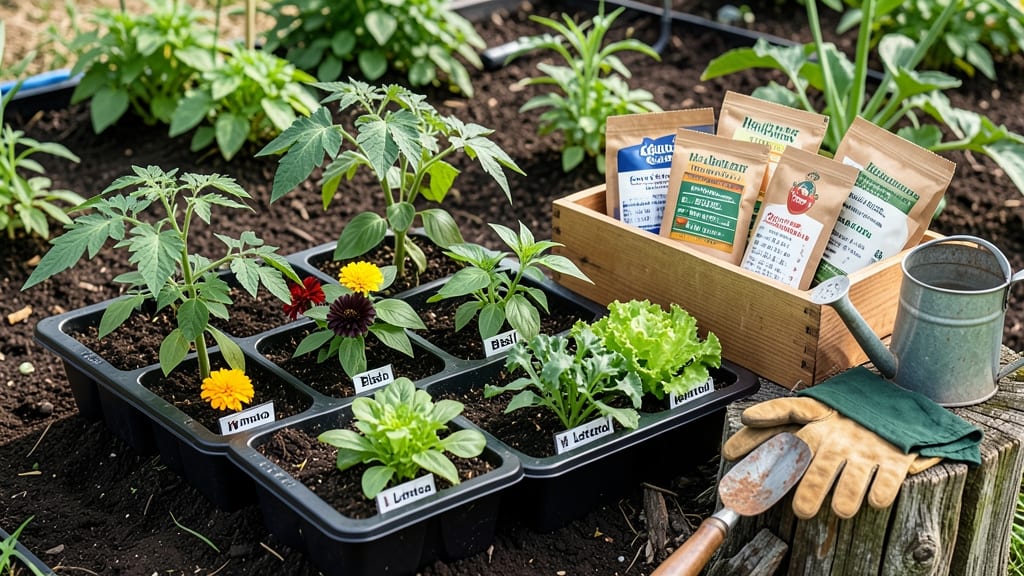
Knowing when to plant garden in Tennessee can mean the difference between a lush, productive plot and a sad pile of wilting seedlings. Tennessee’s climate varies wildly—from the humid East to the cooler Appalachian hills—so timing isn’t one-size-fits-all.
Whether you’re dreaming of crisp lettuce or juicy tomatoes, getting it right starts with understanding your region’s last frost dates and microclimates.
I’ve spent years growing in Tennessee’s USDA Zones 6b-7a, and I’ve learned the hard way that planting too early can fry tender greens, while waiting too long might leave you scrambling for fall crops.
The key? Balancing soil warmth, air temperatures, and your garden’s specific needs—like whether you’re growing heat-loving peppers or cool-season spinach.
In this guide, I’ll break down the exact planting windows for your area, including regional frost charts and tips for extending your season. You’ll discover which crops thrive in Tennessee’s spring rush and which can handle late-summer heat, plus how to protect your plants from unexpected cold snaps.
Ready to turn your garden dreams into reality? Let’s dive into the perfect timing for a harvest that’ll make your neighbors jealous.
Tennessee last frost dates by region: critical planting windows for vegetables and flowers
Tennessee’s last frost dates vary dramatically across its three regions—East, Middle, and West—due to differences in elevation, humidity, and proximity to large bodies of water.
For East Tennessee (USDA zones 6a-7a), the average last frost date falls between April 15-30, while Middle Tennessee (zones 7a-7b) sees its last frost around March 20-April 15. West Tennessee (zone 7b) typically warms up even earlier, with last frosts occurring March 1-15.
These dates are your garden’s green light to plant warm-season crops like tomatoes and peppers.
Knowing your first frost dates is equally crucial for fall planting. In East Tennessee, the first frost usually arrives October 15-November 1, while Middle and West Tennessee can extend the season until November 15-December 1.
This means you’ve got a longer window to plant cool-season crops like kale and spinach in the western regions. Always check the Almanac’s Tennessee frost chart for your specific county, as microclimates can shift dates by weeks.
Here’s how to use these frost dates practically: Plant cool-season crops like lettuce and peas 4-6 weeks before your last frost date, while warm-season crops like peppers and eggplants need to wait until 2 weeks after the last frost.
For flowers, annuals like marigolds can handle light frosts, but tender perennials like geraniums should wait until the soil is consistently above 50°F.
| Region | Last Frost Date | First Frost Date | Ideal Planting Window | Example Crops |
|---|---|---|---|---|
| East TN (Zones 6a-7a) | April 15-30 | Oct 15-Nov 1 | Cool: Mar-Apr | Warm: May-Jun | Lettuce, Tomatoes, Zinnias |
| Middle TN (Zones 7a-7b) | Mar 20-Apr 15 | Nov 1-Dec 1 | Cool: Feb-Apr | Warm: Apr-May | Spinach, Peppers, Petunias |
| West TN (Zone 7b) | Mar 1-15 | Nov 15-Dec 15 | Cool: Feb-Mar | Warm: Mar-Apr | Radishes, Okra, Marigolds |
If you’re planting seeds directly in the garden, start cool-season crops like broccoli and carrots 2-3 weeks before your last frost date. For transplants, wait until 1-2 weeks after the last frost to avoid shocking tender seedlings.
In West Tennessee, where springs arrive early, you might even squeeze in two harvests of peas—one in early spring and another in fall.
Don’t overlook fall planting, which can be just as productive as spring. In East Tennessee, plant garlic and onions in October for a spring harvest, while Middle and West Tennessee gardeners can extend their season with turnips and kale planted as late as October.
The key is to choose fast-maturing varieties that can mature before the first frost hits. For example, ‘Early Wonder’ peas mature in just 55 days, making them perfect for late-summer sowings.
For flowers, timing matters just as much. Perennials like black-eyed Susans can be planted in early spring or fall, but annuals like impatiens need to wait until after the last frost.
In humid East Tennessee, planting drought-tolerant flowers like lavender after the last frost helps them establish before summer rains arrive. Meanwhile, West Tennessee’s hotter climate suits heat-loving flowers like sunflowers, which thrive when planted in late spring.
Pro tip: Use row covers or cold frames to extend your planting season by 2-4 weeks in both spring and fall. These tools create a microclimate that protects young plants from late frosts or early chills. For example, I’ve used floating row covers to plant cabbage seedlings in early April in Middle Tennessee, giving me a head start on the season. Just
Finally, always monitor local weather forecasts in the weeks leading up to your planting window. A late frost can wipe out your tomato transplants overnight, while an early heatwave might stress cool-season crops. By aligning your planting schedule with Tennessee’s frost-free dates and using these regional guidelines, you’ll maximize your garden’s
How to adjust planting times for Tennessee’s microclimates and unpredictable weather
Tennessee’s unpredictable weather and microclimates can turn a well-planned garden into a gamble if you don’t adapt. For example, the East Tennessee mountains often experience late spring frosts weeks after the official last frost date, while West Tennessee’s heat domes can scorch seedlings before they establish.
Understanding these variations helps you protect your plants and extend your growing season.
One of the easiest ways to adjust planting times is by using season extenders like row covers or cold frames.
These tools create a warmer microclimate around your plants, allowing you to start cool-season crops like spinach or kale 2-3 weeks earlier in spring or keep them growing 1-2 weeks later in fall.
For instance, in USDA Zone 6b, you might plant broccoli in early March under a row cover, then remove it once temperatures stabilize.
Another strategy is choosing heat-tolerant varieties of your favorite crops. Traditional tomato varieties like Celebrity or Better Boy may struggle in West Tennessee’s 90°F+ heat, but heat-resistant hybrids like Solar Fire or Heatmaster thrive.
These varieties are bred to handle high temperatures and humidity, making them perfect for Tennessee’s summer growing conditions.
- ✅ Use row covers to push spring planting 2-3 weeks earlier (e.g., lettuce in Zone 6b).
- ✅ Plant heat-lovers like okra or sweet potatoes after Memorial Day in West Tennessee.
- ✅ Choose late-maturing varieties (e.g., 90-day tomatoes) for fall harvests in Zone 7a.
- ✅ Mulch heavily to retain soil moisture during summer droughts in Middle Tennessee.
- ✅ Monitor local frost alerts—East Tennessee’s Appalachian valleys can frost 2 weeks after official dates.
If you’re gardening in East Tennessee’s higher elevations, consider planting cool-season crops like peas or radishes in late August for a fall harvest. The cooler nights and shorter days of autumn create ideal conditions for these crops.
Meanwhile, in West Tennessee’s hotter climate, focus on succession planting warm-season crops like bush beans or cucumbers every 2 weeks from April to June to avoid overwhelming your harvest.
Don’t forget about soil temperature, which often lags behind air temperature. Use a soil thermometer to ensure warm-season crops like peppers or eggplants are planted only when soil reaches 60°F+.
In Middle Tennessee, this might mean waiting until mid-April instead of early April, even if the air feels warm. Patience here prevents seed rot and poor germination.
Finally, keep an eye on pest pressures, which spike during Tennessee’s humid summers. Adjust planting times to avoid peak pest periods—for example, cabbage worms thrive in late June, so planting broccoli in early May or August can reduce damage.
Pair this with crop rotation and companion planting (like marigolds near tomatoes) for extra protection.
By adapting your planting schedule to Tennessee’s microclimates and weather quirks, you’ll turn unpredictable conditions into opportunities for a longer, more productive growing season. Start small, experiment with season extenders, and trust your local frost data—your garden will thank you! 🌿