
Companion Plants
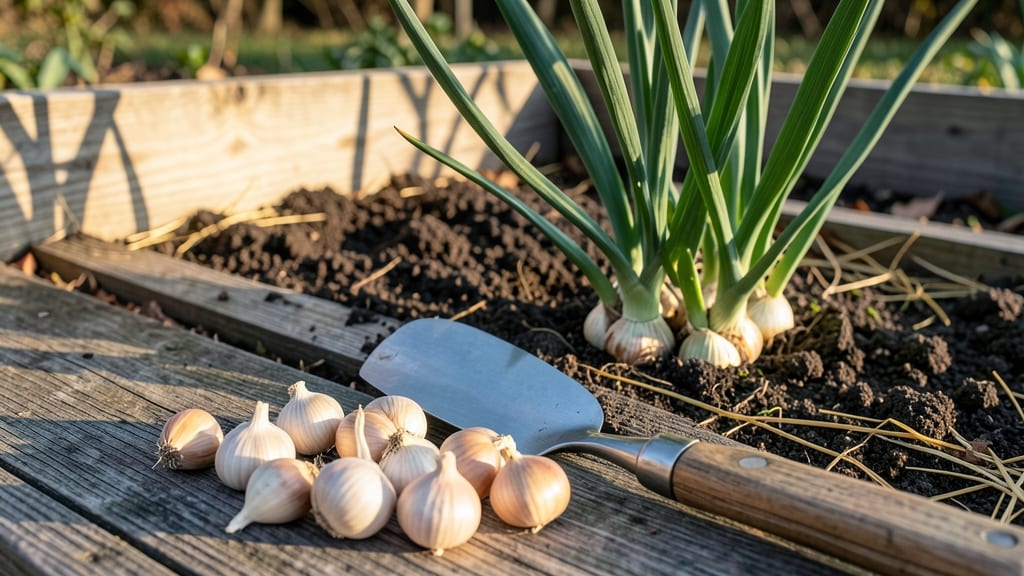
If you’ve ever wondered why your garlic harvest in Northeast PA ends up small or sparse, the answer might surprise you—it’s not just about when you plant, but how many chill hours your 🧄 gets before spring.
Hardneck varieties thrive in our Zone 6a winters, but planting too late (or too early) can leave you with nothing but disappointment.
Timing is everything, and in Northeast PA, the window for planting garlic is narrow—just October through November. This isn’t arbitrary; it’s about giving your garlic the 600–1,000 chill hours it needs to form bulbs.
Miss this window, and you’ll either freeze your cloves or risk a weak harvest. Let’s break down the exact dates and soil prep tips to ensure your garlic gets the perfect start.
You don’t have to guess or rely on outdated advice. I’ll walk you through the science behind chill hours, how to prep your soil for Northeast PA’s clay-heavy ground, and even how to salvage a late planting.
By the end, you’ll know exactly when to plant for zero waste and the biggest, healthiest bulbs possible.
Ready to turn your garden into a garlic powerhouse? Let’s get started—because the best time to plant is now, before the first frost locks the ground.
Northeast PA’s exact garlic planting deadline: chill-hour science for hardneck varieties
Northeast Pennsylvania’s USDA Zone 5-6 climate is ideal for growing hardneck garlic, but timing your planting correctly is the key to a bountiful harvest.
The region’s 600–1,000 chill hours between October and March trigger bulb formation—plant too early or late, and you risk small bulbs or no harvest at all.
Hardneck varieties like ‘Music’ or ‘German White’ need these cold hours to develop properly. If you miss the window, your garlic may bolt (flower) prematurely or produce weak bulbs.
The last frost date in Northeast PA typically falls between mid-October and early November, giving you a narrow but critical planting window.
Here’s the science behind it: Garlic cloves require 4–6 weeks of soil exposure before winter to establish roots.
Planting too early (before October 1) can lead to excessive top growth before dormancy, while planting too late (after November 15) may not provide enough chill hours for proper bulb development.
Your local chill hours depend on elevation and microclimates, but most of Northeast PA averages 800–1,000 chill hours. Use a chill-hour calculator or check your nearest USDA climate station for precise data.
For example, Scranton averages 950 chill hours, while higher elevations near Poconos may exceed 1,000 hours.
If you plant garlic after November 15, it may not receive enough cold exposure to form bulbs properly. For example, cloves planted in late November might only get 500–600 chill hours, resulting in small, weak bulbs or no harvest at all.
Conversely, planting in September risks excessive top growth before winter, which can lead to bolting or poor bulb development.
To avoid these pitfalls, use a soil thermometer to confirm temperatures are below 40°F (4°C) before planting. This typically aligns with early October in most of Northeast PA. If your soil stays warm longer, wait until mid-October to ensure proper dormancy.
Another critical factor is daylength. Garlic responds to shortening daylight hours in fall, which signals it to stop growing tops and focus on bulb development. Planting after November 15 may coincide with longer daylight in early winter, disrupting this natural process.
Pro tip: If you’re unsure about your local chill hours, check with your county extension office or use online tools like the USDA Plant Hardiness Zone Map.
For Northeast PA, aim to plant by November 1 in lower elevations and by October 25 in higher elevations like the Poconos.
Remember, garlic planted in fall will harvest the following July–August, while spring-planted garlic (a backup option) may produce smaller bulbs with less flavor. Don’t risk it—stick to the October–November window for the best results!
Step-by-step soil prep and planting schedule for Northeast PA garlic growers
For hardneck garlic to thrive in Northeast PA’s Zone 5/6 climate, your soil must be prepped and planting timed precisely. The key is working with—not against—the region’s clay-heavy soils and unpredictable frost dates.
Start by testing your soil’s pH (6.0–7.0 ideal) and amending it with compost or aged manure to improve drainage.
Break ground only when soil temperatures drop below 40°F—typically mid-October—but before the first hard frost hits (usually mid-November). This 6-week window ensures garlic gets enough chill hours (600–1,000) to form bulbs. Use a soil thermometer to monitor temps if unsure.
⚠️ WARNING: Planting too early (e.g., September) risks premature sprouting, while planting too late (December+) may leave bulbs stunted or frozen. Aim for cloves in the ground by November 1st at the latest.