
Plants
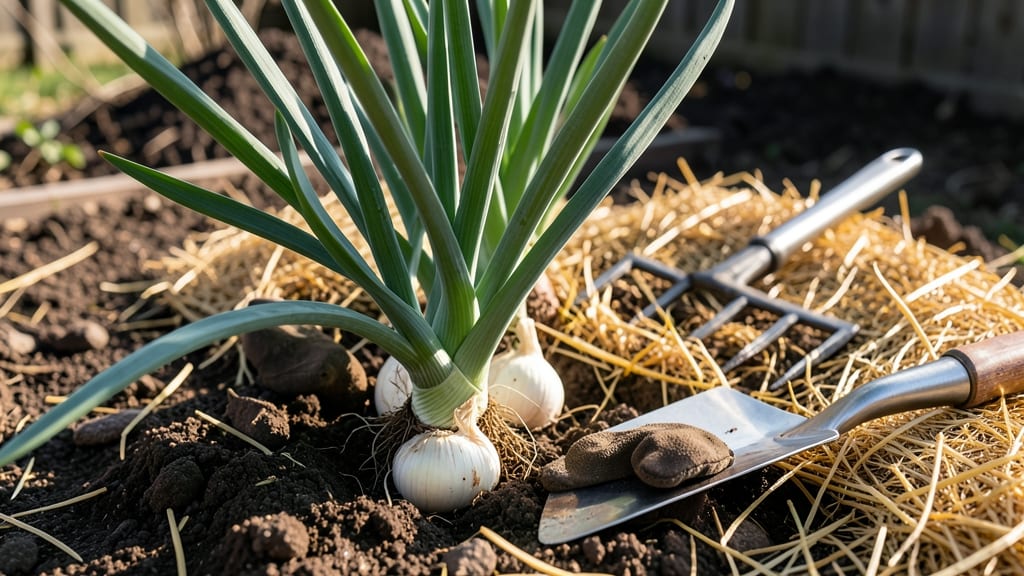
Timing your garlic planting in WV can mean the difference between a bumper crop of bold, flavorful bulbs and a disappointing harvest.
In Zone 7a/7b, where winters are crisp and summers can be humid, getting those cloves in the ground at the right moment is everything—especially if you want to avoid small, weak bulbs or total failure.
Most West Virginia gardeners know fall planting is the golden window, but did you realize October to November is the sweet spot? That’s when soil temperatures drop just enough to encourage root growth before winter sets in.
Plant too early, and your garlic might sprout prematurely; too late, and frost could damage the young plants before they establish.
Here’s the secret: the 4-6 week rule. Aim to plant your 🧄 cloves about 4-6 weeks before the ground freezes—typically mid-October in most of the state.
This gives your garlic enough time to root deeply before winter dormancy kicks in, setting you up for a robust harvest next summer.
In this guide, I’ll walk you through the exact timing, soil prep tips, and how to adjust for WV’s microclimates—so you can grow garlic that’s bigger, stronger, and ready for late June harvests. Let’s get those cloves in the ground the right way!
Best planting months for West Virginia garlic in zones 7a/7b
If you’ve ever planted garlic in West Virginia only to end up with puny bulbs, you’re not alone. The key to bold, flavorful garlic lies in planting at the perfect window—and in WV’s Zone 7a/7b, that’s October to November.
This timing aligns with the state’s cool fall temperatures, which encourage strong root development before winter dormancy. Plant too early, and your cloves may sprout prematurely; too late, and frost could damage young plants.
Local USDA records show that West Virginia’s first hard frost typically arrives between October 15-25, depending on elevation and microclimate. To maximize success, aim to plant your garlic cloves 4-6 weeks before the ground freezes. In most of the state, this means mid-October is your sweet spot.
For example, in the Northern Panhandle (Zone 6a), you might push planting to early November, while the central Appalachian region (Zone 7a) can start as early as late September.
But what if you miss the fall window? Don’t worry—West Virginia gardeners can also plant garlic in early spring (February-March), though yields may be smaller. Spring-planted garlic grows faster but produces smaller bulbs because the growing season is shorter.
If you choose this route, plant as soon as the soil reaches 40°F and stays consistently above freezing.
Here’s a quick rule of thumb: Soil temperature matters more than calendar dates. Use a soil thermometer to confirm temperatures are between 40-50°F—this is the ideal range for planting. If your soil is warmer, wait a few days; if it’s colder, you’re running late for the fall window.
| Planting Window | Soil Temp | USDA Zone 7a | USDA Zone 7b |
|---|---|---|---|
| Fall (Ideal) | 40-50°F | Mid-October | Late September |
| Fall (Latest) | 32-40°F | Early November | Mid-October |
| Spring (Alternative) | 40°F+ | February-March | February-March |
🌱 Pro Tip: Adjust for elevation—higher areas (like the Allegheny Mountains) may need a later planting date.
Microclimates play a huge role in West Virginia’s garlic success. For instance, the Northern Panhandle tends to have earlier frosts than the Charleston area, so gardeners there should plant closer to early November.
Meanwhile, the southern tip of the state (Zone 7b) can sometimes squeeze in a late September planting. Pay attention to your local frost dates—many WV counties provide free frost calendars through their Cooperative Extension offices.
One common mistake I see is planting garlic too shallowly. In WV’s clay-heavy soils, cloves need to be buried 2 inches deep with the pointed end up. This ensures roots establish before winter.
If your soil is sandy, you can plant slightly deeper (2.5 inches) to retain moisture. Always space cloves 4-6 inches apart in rows 12 inches apart for optimal airflow and bulb development.
Don’t overlook soil preparation—garlic thrives in well-draining, slightly acidic soil (pH 6.0-7.0). Before planting, amend your beds with compost or aged manure to improve fertility. Avoid fresh manure, which can burn young roots.
In WV’s humid climate, adding a 1-inch layer of mulch (straw or leaves) after planting helps regulate soil temperature and retain moisture without suffocating the plants.
If you’re new to garlic growing, start small with 3-5 cloves to test your timing. Even in the best conditions, not every clove will produce a bulb—some may rot or fail to sprout.
Keep a planting journal to track your success rates over the years. With the right timing and care, you’ll be harvesting plump, papery-skinned garlic bulbs by late June—just in time for summer cooking!
Best planting months for West Virginia garlic in zones 7a/7b
For West Virginia gardeners, the ideal planting window for garlic falls between mid-October and early November. This aligns perfectly with Zone 7a/7b’s soil temperature thresholds, where daytime highs hover around 50-60°F—just right for root establishment before winter dormancy.
Planting too early (like September) risks premature sprouting, while waiting until December leaves your garlic vulnerable to winter kill.
Local USDA records show that average first frost in WV typically hits around October 15, but mountainous regions like the Allegheny Front can experience frost 1-2 weeks earlier. Adjust your timing accordingly—aim to plant 4-6 weeks before your area’s first hard frost.
For example, in Charleston (Zone 7a), that’s usually October 10-20, while Morgantown (Zone 7b) might extend to November 1.
Need a quick reference? Here’s how WV’s microclimates affect timing:
While fall planting is the gold standard, some WV gardeners successfully plant garlic in early spring (February-March). However, this method yields smaller bulbs because the growing season is shorter.
If you choose spring planting, use softneck varieties like ‘Silverskin’, which tolerate warmer soil better. For boldest harvests, stick with hardneck varieties planted in fall.
Pro tip: Test your soil temperature before planting. Use a soil thermometer to confirm readings between 50-60°F. If your soil is still warm (above 65°F), wait 2-3 weeks—your garlic will thank you with stronger roots and larger bulbs next summer.
Remember, timing isn’t just about the calendar—it’s about soil conditions. In WV’s humid summers, well-draining soil is critical to prevent rot and disease.
Amend your beds with compost or aged manure before planting to give your garlic the nutrient-rich start it needs for a flavorful harvest.