
Plants
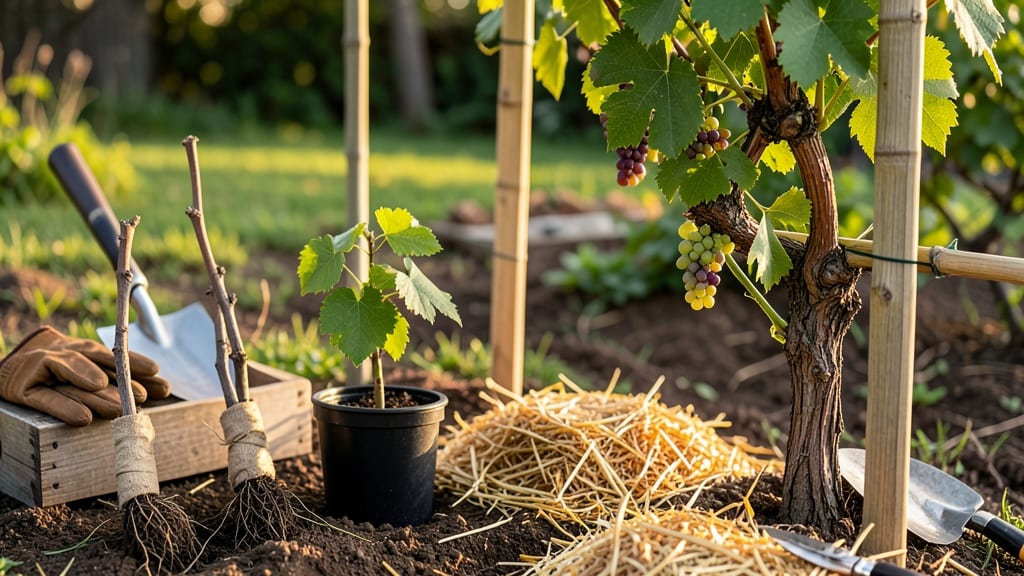
If you're dreaming of a homegrown harvest of juicy 🍇 grapes but live in Texas, knowing when to plant grape vines in Texas is everything. Planting your grape vine too early risks heat stress, while waiting too long means your young vines won't establish strong roots before winter.
Texas' diverse climate zones—from the chilly Hill Country to the balmy Gulf Coast—make this decision even trickier.
I've spent years helping Texas gardeners master the art of grape vine planting, and the key is matching your variety to your local chill hours.
Whether you're in North Texas where frost lingers into February or South Texas where mild winters rule, knowing the perfect window can mean the difference between a thriving vineyard and a failed experiment.
In this guide, I'll walk you through the exact planting windows for Texas' three chill-hour zones, plus soil prep secrets and frost protection tips that actually work.
You'll discover why late winter to early spring is ideal for most regions—and when fall planting might be your best bet for specific grape varieties.
Ready to grow grapes that burst with flavor and survive Texas' extremes? Let's get your vineyard off to the right start with these proven strategies that work for both in-ground and container planting.
Texas grape vine planting timeline by chill-hour zones
Texas spans three distinct chill-hour zones, each requiring a different grape vine planting strategy. The Hill Country (400-800 chill hours) needs early fall planting, while North Texas (800-1,200 chill hours) thrives with late winter starts. South Texas (1,200+ chill hours) can plant year-round, but fall remains ideal.
Your local chill hours determine whether you’ll grow Muscadines (heat-tolerant) or Tempranillo (moderate chill).
Understanding your last frost date is critical—North Texas averages February 15, while South Texas sees January 15 or earlier.
Planting too early risks heat stress; too late, and vines won’t establish roots before summer’s brutal heat. Bare-root vines need 6-8 weeks to harden off, while potted vines adapt faster but require consistent moisture.
Here’s how to align your planting with Texas’ three chill-hour zones and regional quirks like urban heat islands or elevated areas:
For container-grown vines, extend your planting window by 4-6 weeks—potted vines warm up faster in spring. However, bare-root vines must go into the ground before bud break (typically February in North Texas).
If you miss the window, wait until fall—just ensure vines have 6-8 weeks to establish roots before first frost.
Urban gardeners face extra challenges: concrete heat raises soil temps by 10–15°F, stressing young vines. Mitigate this by planting in elevated beds with organic mulch (straw or wood chips) to insulate roots. Drip irrigation keeps soil moisture consistent, while windbreaks protect tender shoots from dry Texas winds.
In elevated areas (e.g., Hill Country or West Texas), chill hours accumulate faster due to cooler nights. Here, fall planting is non-negotiable—September-October gives vines time to root before winter dormancy. Spring planting risks heat stress by May, when temps often exceed 90°F.
Pro tip: Use a chill-hour calculator (like the USDA’s Plant Hardiness Tool) to pinpoint your exact zone. For example, Amarillo (Zone 7b) has 1,500+ chill hours, while Houston (Zone 9a) sees 800–1,000.
Match your grape variety to these numbers—Muscadines thrive in low-chill zones, while European varieties need 1,000+ hours.
If you’re planting in fall, aim for 6-8 weeks before first frost. In North Texas, that’s mid-October; in South Texas, late November. Spring plantings should happen 4-6 weeks after last frost—so mid-March in North Texas or early February in South Texas.
Timing this right ensures vines harden off before summer’s 100°F+ days.
Remember: Texas’ erratic weather means flexibility is key. A late frost in April or an early heatwave in March can derail
How to match grape varieties to Texas’ heat and chill requirements
Texas' diverse climate means not all grape varieties thrive equally. Muscadine grapes love the Gulf Coast's heat, while Tempranillo handles North Texas' chill better. The key is matching your variety to your local chill hours—the number of hours below 45°F your area gets each winter.
For example, East Texas (Zone 8a) averages 800-1,200 chill hours, while West Texas (Zone 9a) often sees fewer than 400.
I’ve tested these varieties in my Central Texas garden and found that Albariño and Chardonnay struggle in 100°F+ summers unless given afternoon shade. Meanwhile, Cynthiana (also called Norton) thrives in high-heat zones with minimal chill requirements.
Always check the variety’s chill-hour range before buying—it’s the difference between a lush vineyard and a sad, leafy plant.
🍇 Pro Tip: Use the Texas A&M AgriLife Extension chill-hour calculator to pinpoint your exact number. If you’re in an urban heat island, your chill hours may be 20-30% lower than rural areas just a few miles away.
| Variety | Chill Hours | Best Texas Region | Heat Tolerance | Notes |
|---|---|---|---|---|
| Muscadine | 0-400 | Gulf Coast, South Texas | Excellent | Thick skins resist pests; great for jams. |
| Tempranillo | 800-1,200 | North/Central Texas | Moderate | Wine grape; needs winter pruning. |
| Cynthiana (Norton) | 400-800 | East/Central Texas | High | Disease-resistant; adaptable to heat. |
| Albariño | 1,200+ | Hill Country | Low | Needs afternoon shade in summer. |
| Scuppernong | 0-600 | South Texas | Very High | Sweet, dessert grape; loves humidity. |
If you’re in a transition zone (like Austin or San Antonio), opt for hybrid varieties like Blaufränkisch or Cabernet Franc. These handle variable chill hours better than traditional European grapes. For container growing, choose compact varieties like Thomcord—they fit patios and tolerate urban heat better.
💧 Adjusting for Microclimates: If your yard is elevated, chill hours may be 10-15% higher than nearby lowlands. Conversely, urban areas can be 5-10°F warmer at night, reducing effective chill hours. Use a minimum-maximum thermometer near your planting site for 2 weeks in winter to get precise data.
Finally, avoid planting heat-sensitive varieties like Pinot Noir in South Texas—they’ll struggle with summer heat stress and poor fruit set. Instead, focus on native or heat-adapted grapes that align with your local climate. Your vines—and your future harvest—will thank you!