
Plants
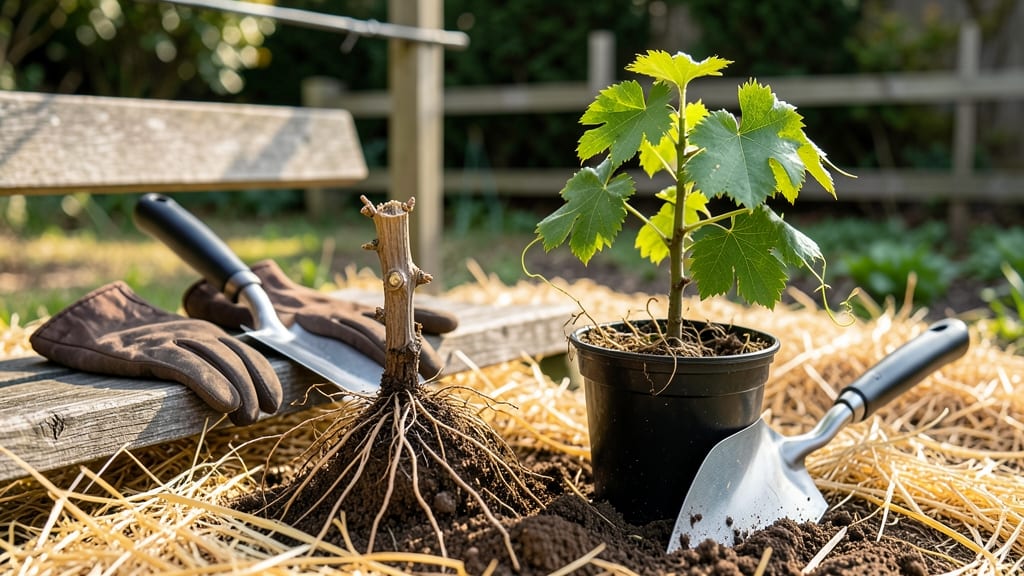
Timing your 🍇 grape planting in Alabama isn’t just about the calendar—it’s about outsmarting frost, heat, and the state’s unique chill-hour zones. Plant too early, and a late freeze could wipe out your young vines before they even take root.
Too late, and your grapes might struggle to establish before summer’s brutal heat sets in.
Alabama’s 7a-8b zones demand precision: most gardeners in North Alabama (like Birmingham) should aim for late February to early March, while those in warmer Southern regions (near Mobile) can wait until April.
The key? Matching your grape variety—muscadines handle heat better, while vinifera types need cooler nights—to your local frost-free window.
I’ve seen firsthand how a 2-week mistake can mean the difference between a thriving vineyard and a sad pile of dead shoots. Whether you’re planting bare-root vines or potted varieties, understanding your microclimate (like river valleys vs. Piedmont hills) is just as critical as the date on the calendar.
Let’s break down exactly when to plant for your specific Alabama zone, which varieties will survive your winters, and how to protect your investment from the state’s most common planting pitfalls—so you can enjoy homegrown grapes from August through October.
Alabama’s chill-hour zones: matching grape varieties to your location
Alabama’s diverse climate—from the cool Appalachian foothills to the humid Gulf Coast—creates 5 distinct chill-hour zones that determine which grape varieties will thrive in your backyard. Chill hours, the number of hours below 45°F (7°C) during winter, are critical for grape dormancy and spring budbreak.
In Alabama, these range from 200 hours in Zone 5 to 1,200+ hours in Zone 8, shaping your variety choices.
Native muscadines and scuppernongs dominate Zone 5–6, where winters are cooler, while vinifera hybrids like ‘Blaufränkisch’ excel in Zone 8’s milder winters. Understanding your zone ensures your vines survive winter and produce fruit—plant the wrong variety, and you risk poor yield or vine death.
Let’s break down the best matches for each Alabama chill-hour zone.
🌱 Why chill hours matter: Grapes need winter chill to break dormancy. Too few (300 hours) can cause erratic budbreak, while too many (> 1,000 hours) may stress heat-loving varieties. Alabama’s zones bridge this gap, offering options for every gardener.
For example, if you’re in North Alabama (Zone 6), ‘Chambourcin’ is a top pick—it thrives with 500–600 chill hours and resists Alabama’s humidity. Meanwhile, South Alabama gardeners (Zone 8b) should opt for heat-tolerant ‘Mission’ grapes, which handle 1,000+ chill hours without stress.
Always check your local USDA chill-hour map (available via USDA Plant Hardiness Viewer) to confirm your zone.
Pro tip: Container-grown grapes can be moved to sheltered spots during winter if your zone is borderline. For instance, a Zone 7 vine in a microclimate with extra protection might safely grow ‘Cabernet Sauvignon’ despite its chill-hour needs.
Just ensure your container has drainage holes and use a lightweight potting mix to prevent root rot in Alabama’s heat.
Once you’ve matched your zone to the right variety, the next step is timing your planting to avoid early-season frosts or summer heat stress.
In Alabama, this means aligning your planting window with your region’s last average frost date, which varies dramatically from March 15 in Birmingham to April 15 in Mobile.
We’ll cover those deadlines in the next section, along with how to adjust for microclimates like river valleys or urban heat islands.
🌿 Remember: Even the hardiest grapes need 6+ hours of sunlight daily. If your yard is shady, consider container planting near a south-facing wall or choose low-chill varieties like ‘Albemarle’ for partial shade tolerance.
Frost-free deadlines by Alabama region: when to plant for maximum survival
Alabama’s last-frost dates vary dramatically by region, so timing your grape planting is crucial.
In North Alabama (e.g., Birmingham), the average last frost falls between March 15–April 15, while Central Alabama (Montgomery) sees frost-free conditions by April 1–May 1. South Alabama (Mobile) gardeners can plant as late as May 15 in most years.
These windows ensure your vines avoid early-season frost damage, which can kill tender new growth.
Microclimates play a huge role in Alabama. River valleys and southern-facing slopes often warm up 1–2 weeks earlier than surrounding areas, while the Piedmont region tends to be colder. Use the NOAA Frost Risk Calculator to pinpoint your exact local window—just enter your ZIP code for precise frost probabilities.
🚨 Visual Element: Numbered Highlights 🚨
- 🌱 North AL (Birmingham): March 15–April 15 — Ideal for ‘Norton’ and ‘Chambourcin’; plant bare-root vines in late March.
- 🌿 Central AL (Montgomery): April 1–May 1 — Perfect for muscadines; potted vines can go in 2 weeks later than bare-root.
- 🍇 South AL (Mobile): May 1–May 15 — Best for heat-tolerant varieties like ‘Scuppernong’; avoid planting before May 1.
- ⚠️ Emergency Tip: If planting late, harden off potted vines by moving them outdoors during the day for 1 week before final planting.
Bare-root grapes are more frost-sensitive than potted varieties, so plant them 2–3 weeks earlier than container-grown vines. For example, in Zone 7a, bare-root ‘Cynthiana’ should go in by March 1, while potted ‘Blaufränkisch’ can wait until March 15.
Always check the root collar—it should sit 2–3 inches above soil to prevent rot.
If you miss the ideal window, don’t panic. Dormant-season planting (November–December) is an option for Zone 7b–8a, but choose cold-hardy varieties like ‘Albemarle’ and protect vines with mulch (4–6 inches) and frost cloth. Just avoid planting in fall if temperatures dip below 40°F—roots won’t establish before winter.
Pro tip: Test your soil 2–3 weeks before planting. Alabama’s clay-heavy soils often need organic matter (compost or aged manure) to improve drainage. Aim for a pH of 5.5–6.5—grapes hate alkaline soil, which locks out essential nutrients like iron and phosphorus.
🌱 Remember: The earlier you plant, the more time your vines have to establish roots before Alabama’s sweltering summer heat kicks in. Aim for full sun (6+ hours daily) and watch for deer and fire ants—they love young grape shoots! 🦌