
Plants
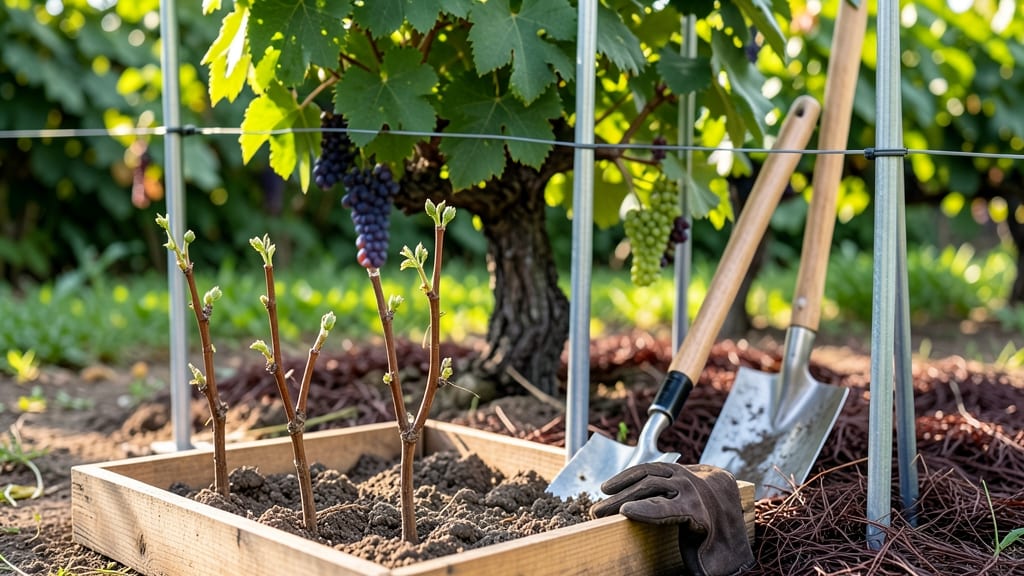
Figuring out when to plant grapes in California isn't just about picking a spring date—it's about matching your grape variety to the chill-hours your region actually delivers.
Get this wrong, and you might end up with vines that struggle to bud break or produce meager fruit, even in the Golden State's perfect growing conditions.
California's Mediterranean climate gives growers a head start, but the key is understanding how many cold hours your local microclimate provides. Coastal areas like Santa Barbara might handle warm-season varieties like Thompson Seedless just fine, while inland spots near Sacramento need cooler-loving types like Cabernet Sauvignon to thrive.
Without this knowledge, you're essentially planting on guesswork.
I've helped California vineyards optimize planting schedules for over a decade, and what I've learned is that timing isn't one-size-fits-all. The perfect window depends on whether you're in the Central Valley's heat or the cooler Sierra Foothills.
Let me show you exactly how to calculate your local chill-hours and choose the right planting date for your specific grape variety.
Once you've got the timing right, the next critical steps—like soil preparation and frost protection—become much easier. We'll cover everything you need to know to give your grapevines the best possible start, from variety selection to post-planting care that ensures strong bud break and healthy early growth.
California grape planting timeline by chill-hours: best months for each variety
California’s diverse microclimates mean your grape planting window can vary dramatically from coastal San Diego to the Central Valley. The key is matching varieties to their chill-hour needs—the number of hours below 45°F required for buds to break dormancy.
Plant too early, and frost will kill tender shoots; too late, and vines won’t establish before summer heat. Let’s break down the best planting months for popular California varieties.
For warm-climate grapes like Thompson Seedless or Zinfandel, aim for 200–400 chill-hours. These varieties thrive in Southern California and inland valleys where winters are mild.
In contrast, cooler-adapted grapes like Cabernet Sauvignon or Syrah need 500–800 chill-hours, making them ideal for the Sierra Foothills or Central Coast. Your planting date hinges on these numbers.
Here’s how to align your planting with chill-hour zones and regional frost risks:
| Variety | Chill-Hours Needed | Best Planting Window | Regions in California | Key Notes |
|---|---|---|---|---|
| Thompson Seedless | 200–300 | Late February–March | Southern CA, Central Valley | Low chill needs; plant after last frost risk. |
| Zinfandel | 300–400 | Mid-February–April | Central Coast, Sierra Foothills | Needs warm springs; avoid coastal fog delays. |
| Cabernet Sauvignon | 500–700 | Late November–January | Sierra Foothills, Napa | Plant dormant; needs cold winters for bud break. |
| Syrah | td style="padding: 10px;">450–600December–February | Central Coast, Temecula | Balances chill and heat; prune aggressively. | |
| Chardonnay | 400–500 | Late January–March | Central Valley, Paso Robles | Watch for spring frosts; use frost cloth if needed. |
If you’re in coastal California, delay planting by 2–4 weeks to avoid marine layer fog, which can delay bud break. Inland areas like the Central Valley can plant earlier—sometimes as early as November for high-chill varieties—since frost risks are lower.
Always check your local USDA Hardiness Zone and microclimate for adjustments.
For container-grown grapes, extend your planting window slightly—containers warm up faster in spring, so you can plant 1–2 weeks earlier than in-ground vines. Just ensure your pots have drainage holes and use a lightweight potting mix to prevent root rot in California’s heat.
Pro tip: Bare-root grapes should be planted while dormant (typically November–March), but potted grapes can go in year-round in frost-free zones like San Diego. Always soak bare roots in water for 1–2 hours before planting to rehydrate them.
One common mistake? Planting high-chill varieties in low-chill zones and expecting them to thrive. For example, Pinot Noir (600+ chill-hours) will struggle in Riverside County unless you use chill-hour accumulation tools or plant in a cooler microclimate like a north-facing slope.
After planting, monitor your vines for bud break timing—this is your cue that the chill-hour calculation was correct. If buds swell too early, protect them with frost cloth or row covers until temperatures stabilize above 50°F.
🌱
How to calculate your local chill-hours and adjust planting dates
California’s chill-hour requirements determine when you can plant grapes successfully. Unlike cooler climates, most California grape varieties need 200-1,000 chill-hours to break dormancy properly. Without enough chill, buds won’t open, and you’ll miss your entire harvest.
Understanding your local chill accumulation is the key to adjusting planting dates for your specific region.
Start by checking the USDA chill-hour map for your area, but don’t rely on it alone. California’s microclimates vary dramatically—even within 50 miles, chill-hour totals can differ by 200+ hours. For example, Napa Valley typically gets 800-1,000 chill-hours, while Coachella Valley may only reach 100-200 chill-hours.
Use tools like the NOAA Climate Data Portal or local weather stations to gather precise data for your exact location.
Common Mistake: Overestimating Chill-Hours
Many gardeners assume their area gets more chill-hours than it actually does. Coastal regions often see fewer chill-hours due to ocean moderation, while inland valleys can accumulate more unexpectedly. Always verify with 3+ years of data to avoid planting too early and risking bud freeze or poor fruit set.
Once you have your chill-hour total, compare it to your grape variety’s needs. Cabernet Sauvignon and Syrah thrive with 500-1,000 chill-hours, while Thompson Seedless and Zinfandel do well with 200-500 chill-hours.
If your area falls short, consider low-chill varieties like Albariño or Grenache, which require as few as 150 chill-hours. For varieties needing more chill, you may need to plant 2-4 weeks later than the standard window.
Adjust your planting date based on your chill-hour deficit. If your area typically accumulates 300 chill-hours by February 15 but your Cabernet Sauvignon needs 600 chill-hours, delay planting until March 1 or later.
This ensures the vine has enough time to break dormancy before the spring heat arrives. Use a chill-hour calculator (like those from UC Davis or local cooperative extensions) to fine-tune your schedule.
Don’t forget to account for unpredictable spring weather. California’s Foothills can experience late frosts in April, while coastal areas may see warmer-than-average winters. Planting 1-2 weeks later than the average date gives your vines a buffer against early heat stress or late frost damage.
Monitor local forecasts and adjust as needed—your grapes will thank you with a healthier bud break and better fruit set.
For the most accurate results, combine historical chill-hour data with real-time monitoring. Install a low-cost weather station in your vineyard to track temperatures throughout winter. This way, you’ll know exactly when your vines have accumulated enough chill to safely plant.
With this approach, you’ll avoid the heartbreak of failed bud break and set your grapes up for a bountiful harvest.