
Plants
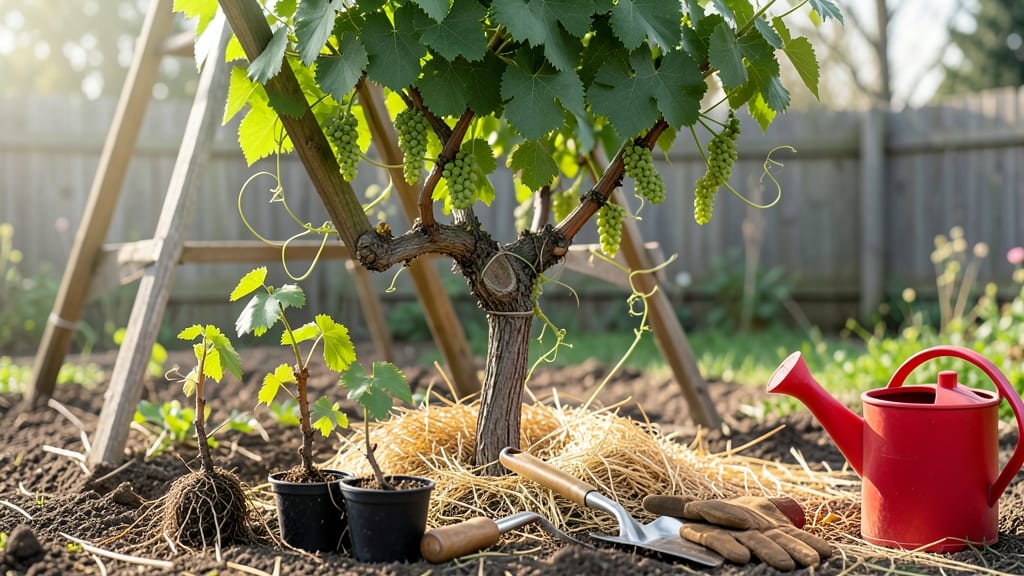
If you're dreaming of a homegrown grape harvest in Florida, timing your planting is everything—because those 🍇 vines need the perfect start to thrive in our heat zones.
Unlike cooler climates, Florida’s frost-free winters mean you can plant grapes year-round, but late winter or early spring gives your vines the best shot at success.
Why does timing matter so much? Planting outside the ideal window can stress your grapes, leaving them vulnerable to Florida’s humidity, pests, or even heat stress. The key is understanding how your specific USDA zone—whether 9a-11—influences when to get those roots in the ground for maximum growth.
In this guide, I’ll break down the exact planting windows for Florida’s heat zones, the best grape varieties for your area, and how to prep your soil for a thriving vine.
Whether you’re a first-time gardener or a seasoned grower, these tips will help you avoid common mistakes and set your grapes up for a sweet, bountiful harvest.
Ready to turn your backyard into a grape haven? Let’s dive into the best times to plant—and how to keep your vines happy through Florida’s unique climate challenges.
Florida’s heat zones: best grapes and planting months by region
Florida’s frost-free climate makes it possible to plant grapes year-round, but not all varieties thrive equally across the state. The USDA heat zones 8A-10A create distinct microclimates where Muscadines in Zone 9A or Spanish Tempranillo in Zone 10A each have their ideal planting windows.
Let’s break down the best grapes for each zone and the exact months to plant them.
In Zone 8A (North Florida), where cooler winters occur, focus on hardy varieties like Norton or Cynthiana. These grapes tolerate mild winter chills and should be planted in late winter (February) to avoid summer heat stress.
Southern Florida’s Zone 10A, however, demands heat-tolerant Spanish or Italian varieties like Tempranillo or Zinfandel, planted in early spring (March) to escape late-winter humidity.
Zone 9A (Central Florida) is the sweet spot for Muscadine grapes, which love the region’s humidity. Plant these native varieties in January to give roots time to establish before the summer monsoons. Meanwhile, Zone 10B’s coastal areas (like Miami) can grow Red Globe or Thompson Seedless grapes, best planted in December to avoid hurricane season’s heavy rains.
Here’s a quick reference for grapes by Florida heat zone, including their ideal planting months and key growing tips:
| Heat Zone | Best Varieties | Planting Month | Key Tip |
|---|---|---|---|
| 8A (North FL) | Norton, Cynthiana | February | Avoid summer planting; use drip irrigation. |
| 9A (Central FL) | Scuppernong, Carlos | January | Mulch heavily to retain moisture. |
| 9B (South-Central FL) | Muscadine blends | December | Prune aggressively in spring to control vine size. |
| 10A (South FL) | Tempranillo, Zinfandel | March | Use shade cloth in peak summer to protect fruit. |
| 10B (Coastal FL) | Red Globe, Thompson Seedless | December | Elevate trellises to avoid hurricane flood damage. |
For urban gardeners in Zone 9A or 10A, container-grown grapes like Concord or Niagara can be planted in late winter (January-February), but ensure pots have drainage holes and use lightweight potting mix.
These varieties thrive in patio setups with 4-6 hours of morning sun to avoid afternoon heat stress.
If you’re in North Florida (Zone 8A), consider covering vines with frost cloth during rare cold snaps (28°F or below).
Muscadines in Central Florida (Zone 9A) are more resilient but still benefit from pruning in late winter to improve airflow and reduce fungal risks like black rot, which thrives in Florida’s humidity.
Pro tip: Soil temperature is just as critical as air temperature. Use a soil thermometer to confirm it’s above 60°F before planting—this ensures roots establish quickly.
In Zone 10A, where soil stays warm year-round, you can plant bare-root grapes in December, but potted varieties perform better in January to avoid transplant shock.
Finally, hurricane season (June-November) can disrupt grape care, so plant 6-8 weeks before storms peak. For Zone 10A gardeners, this means March planting gives vines time to root before summer rains. In Zone 8A, February planting avoids both winter chills and early-summer storms.
🍇
Critical timing tips: when to plant grapes in Florida’s climate
Florida’s frost-free climate means you can plant grapes year-round, but timing matters to avoid heat stress and ensure strong root establishment. The ideal window is late winter to early spring (January–February), when daytime temperatures hover between 65°F–75°F—perfect for root growth without scorching new vines.
For bare-root plants, aim to plant when soil temperatures reach 60°F+, typically by mid-January in most of Florida. Potted grapes, however, can handle slightly warmer soil (65°F+) and may be planted as late as early March—just avoid peak summer heat.
Urban gardeners should plant 2–4 weeks earlier than rural areas, as city heat islands raise soil temperatures faster. Check local rainfall forecasts: aim for a dry spell after planting to prevent waterlogged roots—a common killer in Florida’s heavy clay soils.