
Plants
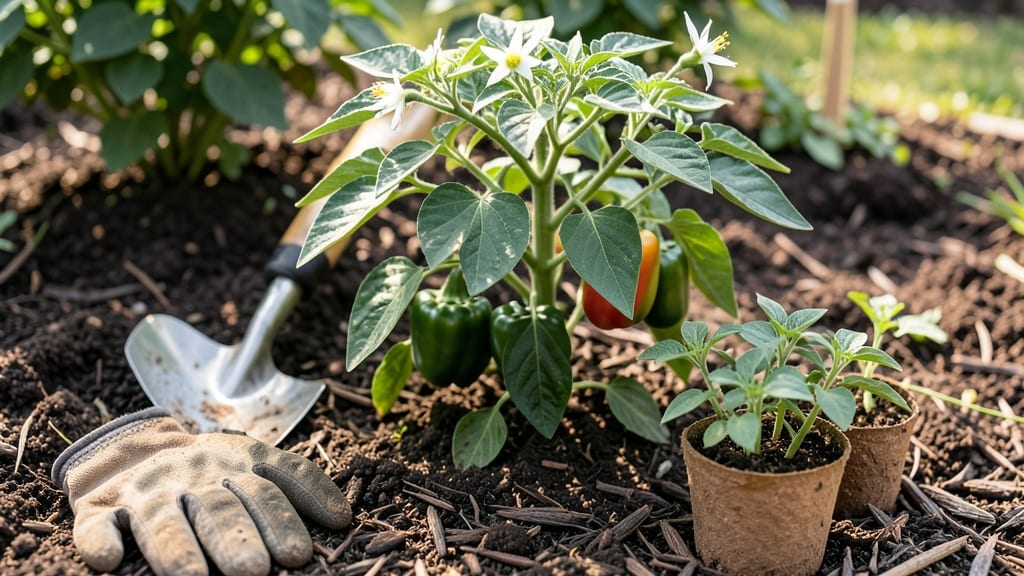
If you've ever watched your 🌶️ bell pepper plants bolt into flower before producing a single pepper in Ohio, you know timing is everything. Planting too early can turn your garden into a sad, leafy disappointment, while waiting too long might cut your harvest short before the first frost.
The key isn't just checking the calendar—it's understanding when your soil warms up enough to support these heat-loving plants.
Ohio's 6a-6b climate means you're playing a high-stakes game with Mother Nature, where a false spring can fool even the most seasoned gardeners. But here's the game-changer: bell peppers need soil temperatures of at least 60°F to thrive, and that's something your weather app won't tell you.
I'll show you exactly how to read your soil's temperature cues so you can plant with confidence and avoid the common mistakes that waste your gardening efforts.
Whether you're starting seeds indoors or transplanting seedlings, knowing the right window makes all the difference. We're talking about the perfect balance between getting an early start and avoiding frost damage—something that's especially tricky in Ohio's unpredictable spring.
Let me walk you through the exact steps to time your planting for maximum pepper production, from soil prep to the first signs of ready-to-harvest peppers.
By the end, you'll have a clear timeline tailored to Ohio's conditions, plus pro tips for extending your growing season so you can enjoy fresh peppers from July right through October. No more guessing games—just a foolproof plan to turn your garden into a pepper paradise.
Ohio bell pepper planting timeline by soil temperature (not calendar dates)
Ohio gardeners know that calendar dates mean little when spring weather swings from freezing nights to 80°F afternoons in a single week. Unlike tomatoes or beans, bell peppers are extremely sensitive to cold soil, and planting too early triggers bolting—when plants flower and fruit prematurely, ruining your harvest.
The key? Soil temperature, not air temperature, determines success.
Most Ohio gardeners assume after the last frost (typically April 15 in most regions) is safe, but that’s a recipe for disaster. Bell peppers need consistent soil temps above 60°F for 10+ days to thrive.
In northern Ohio (USDA zones 5b-6a), this often means waiting until mid-to-late May, while southern Ohio (zones 6b-7a) can plant as early as early May.
Here’s the critical rule: Never plant bell peppers until your soil stays above 50°F for 10 days straight. Below this, roots struggle to absorb nutrients, and plants bolt. Use a soil thermometer (only $10) to check—it’s the only reliable method.
Air temperature is a red herring; soil warms 3-5 days slower than the air, especially in Ohio’s clay-heavy soils.
Ohio’s microclimates add another layer of complexity. Urban areas like Columbus and Cincinnati warm faster than rural zones, while the Appalachian foothills can lag by 1-2 weeks. If you’re in northeast Ohio (e.g., Cleveland, Akron), add 7-10 days to your planting timeline compared to southwest Ohio (e.g., Dayton, Cincinnati).
For container gardeners, soil warms even slower, so wait until late May unless you use black plastic mulch or a heat mat to accelerate warming.
Black plastic can raise soil temps by 5-10°F, letting you plant 2 weeks earlier—but remove it once soil hits 70°F to avoid overheating roots.
Pro tip: Start seeds indoors 8-10 weeks before your target outdoor date. Ohio’s short growing season (only 165 frost-free days) means you need a 60-75 day variety (like ‘Carmen’ or ‘Aristotle’) to harvest before the first frost (mid-October).
Seedlings should be 3-4 inches tall with 4-5 true leaves before transplanting.
If you’re succession planting for a longer harvest, your second planting should go in late June, using fast-maturing varieties (like ‘Early Cal Wonder’) that can bear fruit before frost. Just remember: no pepper plant will survive Ohio’s first hard frost, so time it right!
Here’s the non-negotiable timeline for Ohio bell peppers, broken down by region and soil temp triggers:
Ohio Bell Pepper Planting Timeline by Region
| Region | USDA Zone | Soil Temp Trigger | Planting Window | Last Frost Date |
|---|---|---|---|---|
| Northwest Ohio (Toledo, Lima) | 6a | 60°F+ for 10+ days | Mid-to-late May | April 25 |
| Northeast Ohio (Cleveland, Akron) | 6a | 60°F+ for 10+ days | Late May | May 5 |
| Central Ohio (Columbus, Dayton) | 6b | 58°F+ for 10+ days | Early-to-mid May | April 15 |
| Southwest Ohio (Cincinnati) | 6b-7a | 55°F+ for 10+ days | Early May | April 5 |
| Southeast Ohio (Athens, Zanesville) | 6a | 60°F+ for 10+ days | Late May | May 10 |
*Adjust dates 1-2 weeks later for high-elevation areas (e.g., Appalachian foothills).
Missed the window? Don’t panic. Ohio’s container gardening solution lets you extend the season. Use 5-gallon pots with black plastic mulch to plant late May and harvest until October 1. Just ensure pots are in full sun and water daily—containers
Ohio bell pepper planting timeline by soil temperature (not calendar dates)
Ohio gardeners know that calendar dates mean little when soil temperatures dictate success. Bell peppers (Capsicum annuum) bolt and suffer when planted too early—even if air temps feel warm.
The key is soil consistency at 50°F+ for 10+ days, which typically aligns with mid-May in most of Ohio but varies by region.
Northern Ohio (USDA Zone 5b-6a) often waits until late May due to slower soil warming, while Southern Ohio (Zone 6b) can plant as early as mid-April. Always check your last frost date (April 15 statewide) but prioritize soil thermometers over almanacs—they’re your real planting compass.
🌱 Ohio Bell Pepper Planting Timeline by Zone
| Zone | Soil Temp Threshold | Ideal Planting Window | Notes |
|---|---|---|---|
| Northern Ohio (5b-6a) | 50°F+ for 10+ days | Late May | Slow soil warming; use black plastic mulch |
| Central Ohio (6a) | 50°F+ for 10+ days | Mid-May | Average frost-free by May 10 |
| Southern Ohio (6b) | 50°F+ for 7+ days | Mid-April | Warmer microclimates; start earlier |
For container gardeners, soil warms faster in pots—aim for 60°F+ soil before transplanting seedlings. Urban heat islands in cities like Columbus or Cincinnati can shave 1-2 weeks off your planting timeline, so monitor local microclimates closely.
Pro tip: Use row covers after planting to shield seedlings from late frosts while soil warms. Remove covers once soil hits 60°F consistently to prevent overheating. This two-week buffer can mean the difference between bolting and bountiful harvests.
Remember: Direct-sown seeds need soil at 70°F+ to germinate reliably, while transplants tolerate slightly cooler soil (60°F+). If your soil lags, opt for transplants from local nurseries—just harden them off first.
Ohio’s first frost typically arrives October 15, giving you about 165 frost-free days. Plan your planting window to maximize this—late May starts ensure peppers mature before cold snaps, while June transplants may still yield if using fast-maturing varieties like 'Aristotle' (60 days to harvest).