
Plants
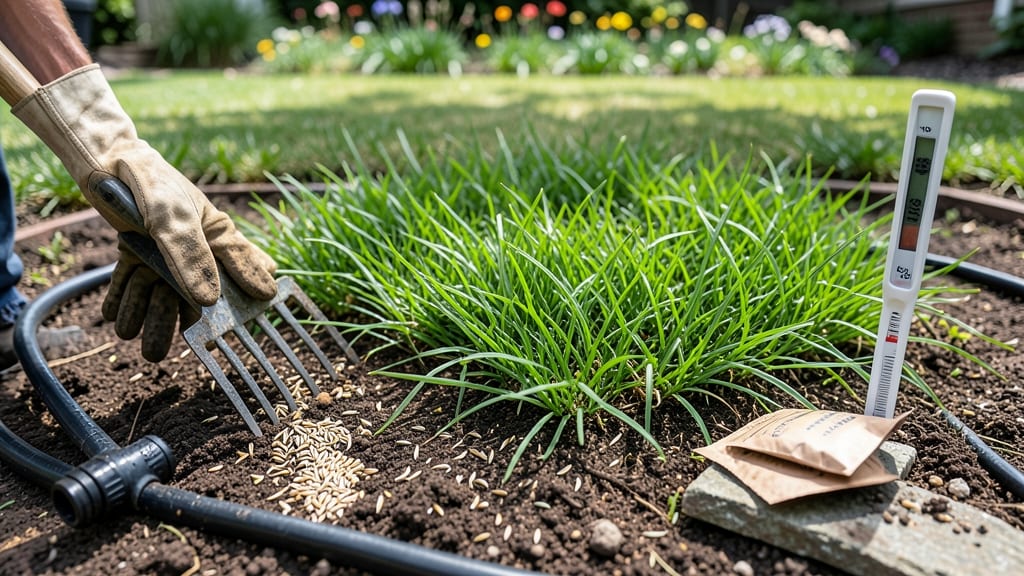
If you're dreaming of a lush, green lawn in Texas, planting Bermuda grass seeds at the wrong time could turn your vision into a slow, patchy disaster. The key to success isn't just throwing seeds into the ground—it's understanding when to plant them for fast establishment and heat resilience.
Texas's 8a-10b zones mean your timing depends on whether you're in North, Central, or South Texas. Late spring to early summer—April through June—is your golden window, but even then, soil temperature and last frost dates play a huge role.
Get it right, and your lawn will thrive under the scorching sun.
I've seen too many homeowners rush planting, only to watch their seeds struggle in the heat or fail to take root. The difference between a fast-growing lawn and one that fights for survival often comes down to preparation and patience.
Let me show you exactly how to time it perfectly for your Texas climate.
From soil prep to post-planting care, we'll cover everything you need to know. Whether you're in the Panhandle or the Rio Grande Valley, these tips will help you avoid common mistakes and get that dreamy Bermuda grass 🌱 coverage you're after.
Texas heat zones and Bermuda grass planting windows: exact months for success
Texas stretches across multiple USDA hardiness zones (8a-10b), creating dramatic differences in climate from the Panhandle to the Rio Grande Valley. These zones dictate when to plant Bermuda grass seeds—a heat-loving grass that struggles if planted too early or late.
In North Texas, cooler springs delay planting until mid-April to May, while South Texas gardeners can start as early as March.
Bermuda grass thrives in full sun and warm soil, so timing isn’t just about months—it’s about soil temperatures. Seeds need soil at 65°F or warmer to germinate, which typically aligns with late spring across most of Texas.
Planting too early (before last frost) risks seed rot or dormancy, while waiting too long (past June) may mean insufficient rainfall for establishment.
For seed vs. sod, timing shifts slightly. Seeds take 4-6 weeks to establish, so plant them 4-6 weeks before peak summer heat.
Sod, however, can handle late spring planting (May-June) since it establishes faster. Microclimates (like shaded areas or urban heat islands) may also require adjustments—always monitor your local weather patterns.
Texas Heat Zones: Ideal Bermuda Grass Planting Windows
| Zone | Last Frost | Best Planting Window | Soil Temp Threshold | Key Consideration |
|---|---|---|---|---|
| North Texas (8a-9a) | Feb 15 - Mar 15 | Mid-April to May | 65°F+ | Wait for consistent warmth; avoid early planting risks. |
| Central Texas (8b-9b) | Jan 15 - Feb 15 | Late March to April | 65°F+ | Monitor rainfall; drought can stress young grass. |
| South Texas (9a-10b) | Jan 1 - Feb 1 | March to early April | 68°F+ | Higher humidity may increase fungal risks; ensure good drainage. |
| East Texas (8a-9a) | Feb 1 - Mar 1 | Late March to May | 65°F+ | Watch for afternoon thunderstorms; water deeply. |
If you’re unsure about your exact planting window, use a soil thermometer to confirm temperatures. Bury it 2 inches deep in the soil and wait until readings stay above 65°F for 3-5 days.
This is your green light to plant. Pro tip: Early mornings are best for planting—cooler temps reduce stress on seeds.
For urban lawns or areas with limited irrigation, consider planting sod instead of seeds. Sod establishes faster (in 2-3 weeks) and handles late spring heat better.
However, seeds are 30-50% cheaper and ideal for large areas. Weed competition is another factor—plant seeds when weeds are dormant (early spring) or use pre-emergent herbicides 2 weeks before seeding.
Texas’ summer monsoons (June-September) can also impact planting. If you miss the spring window, wait until late August for a second chance—just ensure consistent moisture during germination. Overwatering is a common mistake; Bermuda grass needs deep, infrequent watering (1-1.5 inches per week) to develop deep roots.
Finally, mow high (3-4 inches) during establishment to shade roots and retain moisture. Avoid foot traffic on new grass for 4-6 weeks to prevent compaction.
With the right timing, your Bermuda lawn can go from bare soil to lush green in just 60 days—but only if you nail the planting window.
Ready to plant? Grab your soil thermometer, check your local frost dates, and mark your calendar for the optimal window in your Texas heat zone. Your dream lawn starts now! 🌱
5 Critical factors that determine the best planting time for Bermuda grass in Texas
Planting Bermuda grass seeds in Texas isn't just about picking a month—it's about understanding 5 key factors that make or break your lawn's success. I've learned the hard way that ignoring these can turn your dream green lawn into a patchy, struggling mess. Let's break down what truly matters.
First, soil temperature is non-negotiable. Bermuda grass seeds need soil that's consistently 65°F or warmer to germinate properly. Planting too early when soils are still cool means wasted seeds and frustration. I always use a soil thermometer to verify—it's a small investment that saves big headaches.
Next, rainfall patterns play a huge role. Texas summers bring intense heat and unpredictable storms. While established Bermuda grass is drought-tolerant, new seedlings need consistent moisture during their first 30 days. I recommend planting when natural rainfall averages 1 inch per week or supplementing with irrigation.
Don't overlook drought risks in your specific area. North Texas faces different challenges than South Texas, with Central Texas often being the most unpredictable. I check the National Drought Monitor before planting to avoid establishing grass during prolonged dry spells that could stress young plants.
Soil Temperature
Must reach 65°F+ for 7 consecutive days before planting. Use a soil thermometer at 4-inch depth to check.
Rainfall Timing
Aim for planting when 1 inch weekly rainfall is predicted. South Texas gets more reliable summer rains than North Texas.
Drought Conditions
Check US Drought Monitor for your county. Avoid planting during D1-D2 drought levels unless you're prepared for supplemental watering.
Weed Competition
Spring weeds explode in April-May. Pre-emergent herbicides applied 2 weeks before planting prevent 80% of weed issues.
Heat Tolerance
Bermuda thrives in 90°F+ heat but needs 30 days of acclimation after germination. Planting in late May-June gives seedlings time to establish before peak summer.
Finally, weed competition can derail your Bermuda grass before it even gets started. Texas springs are notorious for henbit, chickweed, and crabgrass explosions. I always apply a pre-emergent herbicide 2 weeks before planting to create a clean canvas for your new grass.
And if you're planting sod instead of seeds, timing shifts slightly—you'll want to establish it when daytime highs are consistently above 75°F.
Remember, these factors don't work in isolation. For example, planting in June might give perfect soil temperatures in South Texas but could mean limited rainfall in West Texas. That's why I always cross-reference all five factors with my local Texas A&M AgriLife Extension recommendations before making a final decision.
The extra research pays off with a thick, lush lawn that handles Texas heat like a pro. 🌱