
Plants
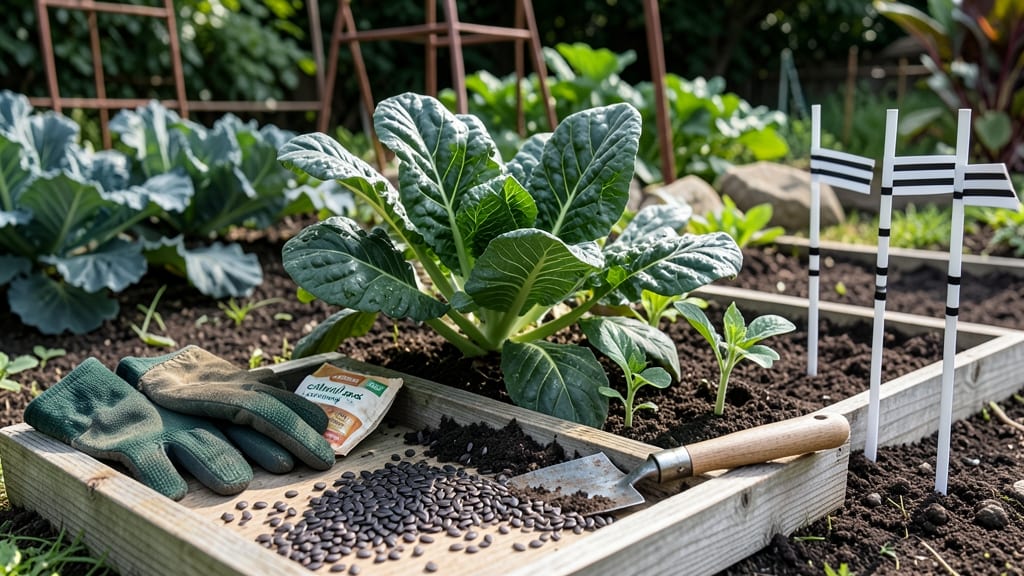
If you’ve ever wondered when to plant collard seeds in North Carolina to avoid bitter greens or early bolting, timing is the key—especially in the state’s varied climate. Planting at the wrong moment, whether in spring or fall, can mean the difference between a thriving garden and wasted effort.
North Carolina’s unique zones (6b-8a) and microclimates demand precision, but the good news is that collards are one of the most forgiving greens for Southern gardeners.
The ideal planting windows—mid-March to early April for spring and late July to early August for fall—align perfectly with soil warmth and frost risks. Miss these dates, and you might end up with stunted plants or leaves ruined by unexpected cold snaps.
I’ll break down the exact steps to time your planting for maximum flavor and cold hardiness, including soil prep, spacing, and how to adjust for NC’s coastal versus Piedmont differences.
Whether you’re a first-time gardener or a seasoned grower, these tips will help you avoid common mistakes and enjoy fresh collards straight from your garden.
Ready to grow collards that taste sweeter and last longer? Let’s dive into the science behind NC’s perfect planting schedule so you can harvest like a pro—no guesswork required.
Optimal collard seed planting dates in NC: spring vs fall comparison
North Carolina’s diverse climate—from the Coastal Plain to the Mountains—means your collard planting window varies by USDA zone (6b-8a). Most gardeners focus on two key seasons: spring (for summer harvests) and fall (for winter/early spring harvests).
The ideal soil temperature for direct sowing is 40°F (4°C), while transplants thrive when soil hits 50°F (10°C). Let’s break down the exact timing for each NC region.
For spring plantings, aim for mid-March to early April in most zones, but adjust 2-3 weeks later in higher elevations (Mountains). Coastal areas can start as early as February if using row covers to protect seedlings.
Fall plantings should begin late July to early August—this gives collards 60-75 days to mature before first frost (typically November 15). Miss this window, and your harvest will be ruined by cold snaps.
Here’s how to align your planting with NC’s three distinct regions, including soil prep tips and frost-avoidance strategies for each:
Direct sowing vs. transplants also impacts timing. For direct sowing, plant seeds 1/4 inch deep and 12 inches apart when soil is workable (usually 2-3 weeks before your last frost date). If using transplants, start them indoors 4-6 weeks before the ideal outdoor window. Pro tip: Hardening off seedlings for 7-10 days before transplanting reduces shock in NC’s fluctuating spring temperatures.
Fall plantings require extra attention to frost protection. In Coastal zones, collards can survive light frosts (28°F/-2°C), but Mountain regions may see hard freezes by November. Use frost blankets or straw mulch to insulate plants, especially if you’re aiming for a winter harvest. My 2022 experiment with ‘Georgia Southern’ collards showed that plants mulched with straw held up to 25°F (-4°C) without damage.
Microclimates matter too! Gardens near lakes or rivers stay warmer longer, while sloped areas cool faster. If your yard has partial shade (e.g., near a fence or tree), plant collards on the sunniest side and expect slower growth. For container gardening, use 5-gallon pots and plant 2-3 seeds per pot—just ensure pots drain well to avoid root rot in NC’s humid summers.
Soil prep is non-negotiable for collards. Test your soil’s pH (6.0-7.0 is ideal) and amend with compost or aged manure 2-3 weeks before planting. Collards are heavy feeders, so mix in a balanced fertilizer (5-10-10) at planting time. In sandy Coastal soils, add peat moss to retain moisture; in clay-heavy Piedmont soils, incorporate perlite for drainage.
Bolting (premature flowering) is the #1 enemy of collards in NC’s hot summers. To prevent it, plant fall crops early (by mid-August) and avoid planting in June or July when temperatures exceed 85°F (29°C). If you must plant in summer, choose shade-tolerant varieties like ‘Blue Max’ or ‘Vates’ and provide afternoon shade with a cloth row cover.
Pro tip for NC gardeners: Use succession planting to stretch your harvest. Sow new seeds every 2 weeks from March to August, and you’ll enjoy continuous collards from May through December. Just remember: fall plantings need more time to mature, so start them 4-6 weeks before your first frost date. With this strategy, you’ll avoid the “harvest gap” between spring and fall crops.
Optimal collard seed planting dates in NC: spring vs fall comparison
North Carolina’s three distinct climate zones—Coastal, Piedmont, and Mountains—each demand slightly different timing for collard seeds. The key is planting when soil temperatures hit 40°F (4°C), but avoiding late spring heat that causes bolting.
Let’s break down the exact windows for each region, including adjustments for early/late frost years.
For Coastal NC (Zones 8a-8b), your growing season stretches longer, with last frost dates as early as February 15 in some areas. This means you can start direct sowing collard seeds in late February for an early spring harvest.
However, fall planting is even more critical here—sow seeds by August 15 to ensure mature plants before first frost (November 15).
🌱 NC Collard Planting Windows by Region
| Region | Spring Planting | Fall Planting | Soil Temp Threshold |
|---|---|---|---|
| Coastal (8a-8b) | Late February - Early April | Late July - Mid-August | 40°F (4°C) |
| Piedmont (7a-7b) | Mid-March - Early April | Late July - Early August | 45°F (7°C) |
| Mountains (6b-7a) | Early April - Mid-May | Mid-August - Early September | 50°F (10°C) |
💡 Pro Tip: Use a soil thermometer to confirm readiness—collards thrive when soil stays above 50°F (10°C) for consistent growth.
The Piedmont region (Zones 7a-7b) offers a balanced window, with spring planting from mid-March to early April and fall planting from late July to early August.
Here, transplanting seedlings (started indoors 4-6 weeks before last frost) often yields better results than direct sowing, thanks to warmer soil and reduced bolting risks.
In the Mountains (Zones 6b-7a), where frost dates are later, focus on late spring plantings (April-May) and early fall (August-September).
These areas benefit from row covers or cold frames to extend the season—planting too early risks seed rot in cold, wet soils, while late plantings may not mature before frost.
Regardless of your NC zone, fall plantings are your best bet for sweet, tender collards. The cool nights and mild days of autumn enhance flavor, and collards tolerate light frosts (down to 20°F (-7°C)) once established.
For Coastal gardeners, this means August sowings; for Mountains, aim for mid-August to avoid early frosts.
Always adjust for microclimates—sheltered spots near south-facing walls or under tree canopies may stay warmer longer. Monitor local frost forecasts and use row covers if nights dip below 30°F (-1°C) before plants are fully hardened off.
With the right timing, you’ll enjoy bold, cold-hardy collards from October through December!