
Plants
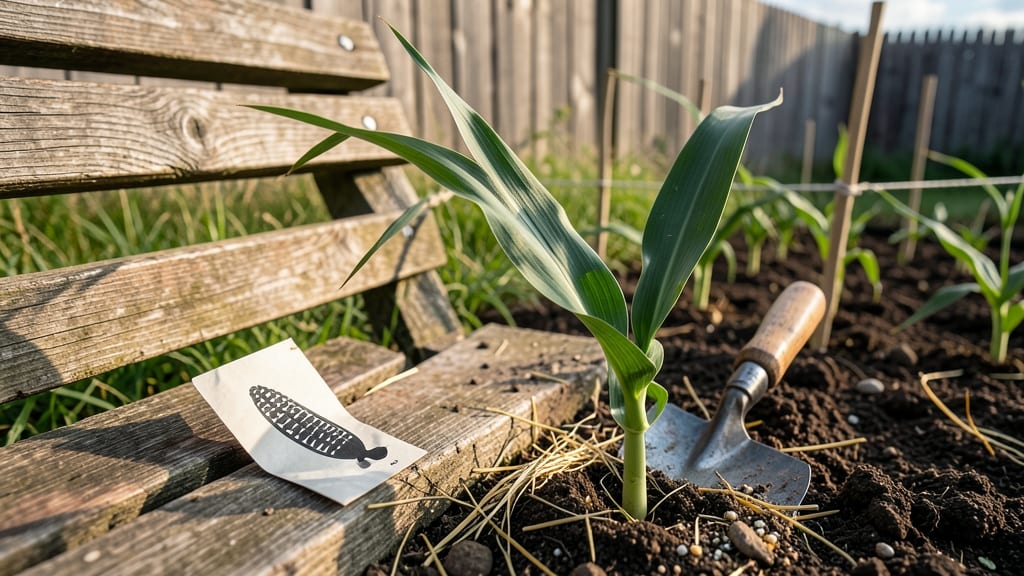
Knowing when to plant corn in Zone 6a can make or break your harvest—get the timing wrong, and you might end up with stunted 🌽 stalks or worse, no ears at all.
Zone 6a gardeners face a tight window between frost risks and the need for warm soil, so precision matters more than you’d think.
Most gardeners in 6a wait until after the last frost (usually mid-April to early May) when soil temperatures hit at least 60°F. This ensures your seeds germinate quickly and avoid the chill that slows growth.
But here’s the catch: corn is sensitive to cold, so planting too early can leave it vulnerable to late frosts.
In this guide, I’ll break down the exact planting schedule for Zone 6a, including how to adjust for early or late varieties. You’ll also learn how to spot the best soil conditions and avoid common mistakes that sabotage corn crops.
Whether you’re a first-time gardener or a seasoned pro, these tips will help you grow healthy, productive corn plants that thrive in your climate. Let’s get those seeds in the ground at the perfect time!

Optimal planting weeks before last frost in Zone 6A for corn germination
Corn thrives in Zone 6A when planted at the right time—typically 2-3 weeks after your average last frost date. For most of Zone 6A, this lands between mid-April and early May, but your exact timing depends on soil temperature and local microclimates.
Planting too early risks frost damage, while waiting too long can shorten the growing season and reduce yield.
Corn seeds need soil temperatures above 60°F to germinate properly. In Zone 6A, this usually aligns with late April, but cooler springs may delay planting until early May. Use a soil thermometer to confirm—if it’s below 60°F, wait a few more days. Patience here pays off with stronger, healthier plants.
Direct sowing is the best method for corn in Zone 6A, as transplants struggle with root disturbance. Sow seeds 1-1.5 inches deep and 4-6 inches apart in rows spaced 2-3 feet apart. This spacing ensures good airflow and prevents fungal diseases, which are more common in crowded corn patches.
If you’re unsure about your last frost date, check your local USDA Plant Hardiness Zone Map or use a frost calendar for your specific county. Many garden centers in Zone 6A provide free frost date guides—ask yours!
For example, in Northern Virginia, the last frost is often around April 15, while in Western Pennsylvania, it can be as late as May 1.
Here’s a quick rule of thumb: Aim to plant corn 60-70 days before your first expected frost in fall (usually mid-October in Zone 6A). This gives your corn enough time to mature before cold weather sets in.
Fast-maturing varieties like 'Early Sunglow' (65 days) or 'Silver Queen' (70 days) are ideal for Zone 6A’s shorter growing season.
| Planting Method | Best Time in Zone 6A | Soil Temp Requirement | Notes |
|---|---|---|---|
| Direct Sowing | Mid-April to early May (after last frost) | 60°F+ | Preferred method; seeds germinate faster in warm soil. |
| Transplanting | Late May (if starting indoors) | 55°F+ (soil), 70°F+ (air) | Risky; roots shock easily; not recommended for Zone 6A. |
| Succession Planting | Every 2 weeks until June 15 | 60°F+ | Extends harvest window; use fast-maturing varieties. |
For gardeners in cooler microclimates within Zone 6A, consider using black plastic mulch to warm the soil faster. Lay it down 1-2 weeks before planting to raise soil temperatures by 5-10°F, giving your corn a head start. This is especially helpful if your spring is slow to warm up.
If you’re planting corn in containers or raised beds, choose dwarf or semi-dwarf varieties like 'Bodacious' (75 days) or 'Golden Bantam' (60 days). These adapt better to confined spaces and still produce sweet, tender ears.
Just ensure your containers are at least 12 inches deep to accommodate corn’s deep roots.
One common mistake in Zone 6A is planting corn too early in hopes of a longer growing season. Cold soil delays germination, and young corn plants are vulnerable to frost damage or soil-borne diseases.
Wait until the soil is consistently warm, and your corn will reward you with strong stalks and plump ears.
Pro tip: Plant a small test patch a week before your target date to gauge soil conditions. If the seeds sprout within 7-10 days, you’re ready to plant your full crop. If not, wait another week—your corn will thank you with a bountiful harvest!
How to adjust corn planting for Zone 6A’s short growing season
Zone 6A’s 165 frost-free days leave little room for error—corn needs warmth to thrive, and late frosts can devastate young plants. To maximize your harvest, focus on fast-maturing varieties (60–70 days to maturity) and strategic planting adjustments.
I’ve grown corn here for years, and these tweaks have saved my crops from early frost risks.
Start by choosing early-season varieties like ‘Early Sunglow’ (65 days) or ‘Silver Queen’ (70 days). These mature before the first frost in October, giving you a reliable harvest. For a longer season, try succession planting: sow seeds every 2 weeks from late April to early June.
This spreads out your harvest and reduces the chance of losing everything to frost.
🌽 Key Adjustments for Zone 6A Corn
- ✅ Plant early varieties (60–70 days to maturity) to avoid frost.
- ✅ Use black plastic mulch to warm soil faster and extend the season.
- ✅ Succession plant every 2 weeks for staggered harvests.
- ✅ Choose compact varieties (e.g., ‘Bodacious’) for smaller spaces.
- ✅ Harvest before frost—corn ears won’t sweeten after freezing.
Warm the soil faster with black plastic mulch or row covers. These raise soil temperatures by 5–10°F, helping seeds germinate earlier. I’ve seen germination improve by 3–5 days with this trick, which is critical in Zone 6A’s cooler springs. Just remove covers once plants emerge to avoid overheating.
For late-season varieties, consider row covers or a cold frame to protect tender plants. These can buy you an extra 2–3 weeks of growing time, but remove them during pollination (when tassels appear) to allow cross-pollination. Corn needs airflow for fertilization, so don’t smother it during this stage.
Finally, prioritize harvest timing. Corn ears won’t improve after frost—they’ll turn mushy or develop off-flavors. Watch for brown silks and plump kernels: these are your cues to pick before the first frost hits. In Zone 6A, this usually means harvesting by early October.
With these adjustments, you can turn Zone 6A’s short season into a corn-growing success. The key is planning ahead—choose the right varieties, warm the soil, and stay vigilant about frost dates. Your taste buds (and dinner table) will thank you!