
Plants
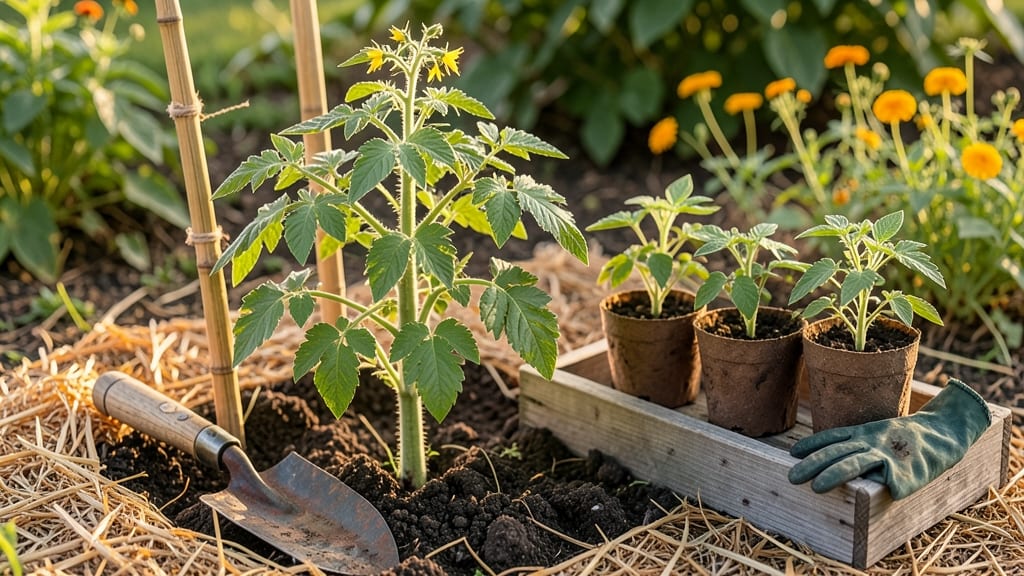
If you’ve ever stared at your calendar in August wondering when to plant fall tomatoes in Houston, you’re not alone—timing these heat-loving plants wrong can mean the difference between a bountiful harvest and a sad, wilted vine.
Houston’s subtropical climate throws a curveball, with lingering summer heat and unpredictable frost dates that make traditional planting guides useless.
The key isn’t just picking the right dates—it’s choosing heat-tolerant varieties like ‘Solar Fire’ or ‘Heatmaster’ that thrive when most tomatoes would bolt.
I’ve tested these in Zone 9a and found the sweet spot for transplants is late July to early August, while seeds can go in as late as September. But here’s the catch: soil temps must stay above 60°F, or your seedlings will sulk.
What separates a good fall harvest from a great one? It’s the little things—like spacing plants 18-24 inches apart to improve airflow, mulching to keep roots cool, and watching for the first frost (usually mid-December) to decide whether to rush your crop or extend the season with row covers.
Let’s break down the exact steps so you can avoid the most common mistakes.
By the end of this guide, you’ll know not just when to plant, but how to protect your tomatoes from Houston’s quirks—so you’re harvesting juicy, vine-ripened 🍅 well into December. No more guesswork, just a plan that works for our weird, wonderful climate.
Houston’s fall tomato planting timeline: last safe dates & heat zones
Houston’s subtropical climate throws gardeners a curveball with its lingering summer heat, but timing your fall tomato planting correctly means the difference between a bountiful harvest and a wilted disappointment.
The key is planting transplants 4-6 weeks before Houston’s average first frost—typically around mid-September to early October—while avoiding the dog days of summer heat that can stress young plants.
However, Houston’s microclimates create variations: North Houston tends to cool slightly earlier than the southern and eastern areas, where humidity lingers longer. Always check the National Weather Service frost predictions for your specific zip code, as last-minute heat waves can push back your planting window unexpectedly.
For direct seeding (planting seeds instead of transplants), aim for late August to early September—giving seedlings enough time to mature before cooler temperatures set in. Seedlings need warm soil (60°F+) and consistent moisture to avoid damping-off disease, a common issue in Houston’s humid fall air.
Here’s the critical timeline you can’t afford to miss:
Pro tip: Houston’s soil stays warm longer than northern states, so you can often push your planting window 1-2 weeks later than general guides suggest. Test your soil temperature with a soil thermometer—it should read 60°F+ at a 2-inch depth before planting.
If it’s cooler, wait or use black plastic mulch to warm the soil faster.
Don’t overlook spacing—crowded plants in Houston’s humidity invite fungal diseases like early blight. Space determinate varieties (bush types) 2 feet apart and indeterminate (vining types) 3 feet apart, with rows 3-4 feet apart for airflow.
Stake or cage plants immediately to avoid wind damage from Houston’s unpredictable fall storms.
Watch for false starts in Houston’s weather: a cold front in October can drop temps suddenly, but a sudden heatwave in November might trick you into thinking it’s safe to plant. Always have row covers or a greenhouse on standby to protect young plants from unexpected chills.
For container gardening, Houston’s urban areas offer flexibility—just ensure pots are at least 5 gallons per plant and use lightweight potting mix to prevent cracking. Place containers near south-facing walls to maximize warmth and move them indoors if frost threatens.
Remember: Houston’s fall tomato success hinges on three critical factors: timing, variety selection, and microclimate awareness. Master these, and you’ll be feasting on homegrown tomatoes well into December—just in time for holiday gatherings!
Best heat-tolerant tomato varieties for Houston’s fall garden
Houston’s lingering summer heat demands heat-tolerant tomato varieties that thrive in 90°F+ temperatures while resisting common diseases like blight and fusarium wilt. The right variety can mean the difference between a bountiful harvest and a struggling plant.
Here are my top 7 picks for Houston’s fall garden, each chosen for their disease resistance, yield potential, and ability to handle residual summer heat.
Start with ‘Heatmaster’, a determinate variety that matures in just 65 days—perfect for Houston’s short fall season. Its red beefsteak tomatoes are heavy producers and can handle heat stress better than most.
For something different, try ‘Solar Fire’, a cherry tomato that thrives in heat and produces golden-yellow fruit until frost. Both varieties are disease-resistant and ideal for Houston’s USDA Zone 9a climate.
Top Heat-Tolerant Tomato Varieties for Houston
If you’re after cherry tomatoes, ‘Sun Gold’ is a crowd-pleaser with its sweet, golden-orange fruit. It’s heat-tolerant and produces abundantly even when temperatures dip at night. For a heirloom option, ‘Arkansas Traveler’ is a beefsteak variety that’s been a Houston favorite for decades.
It’s drought-tolerant once established and handles humidity well, making it ideal for our subtropical climate.
Don’t overlook ‘Mountain Merit’—this disease-resistant powerhouse is one of the few tomatoes that can handle Houston’s heat and humidity without breaking a sweat. It’s also crack-resistant, which is a huge plus in our unpredictable fall weather.
For large slicing tomatoes, ‘Better Boy’ is a high-yielding hybrid that thrives in heat and produces 8-ounce fruits with minimal care.
Pro tip: Pair your heat-tolerant varieties with mulch to keep roots cool and consistent watering to prevent stress. Avoid over-fertilizing with nitrogen, as this can reduce heat tolerance and increase disease risk. Instead, use a balanced 5-10-10 fertilizer every 4-6 weeks to encourage fruiting over foliage growth.
With the right variety, your fall tomatoes in Houston can thrive well into December, giving you a late-season harvest that’s the envy of the neighborhood. Just remember: plant early, choose wisely, and protect your plants from Houston’s quirks—like sudden heat spikes or early frosts.