
Plants
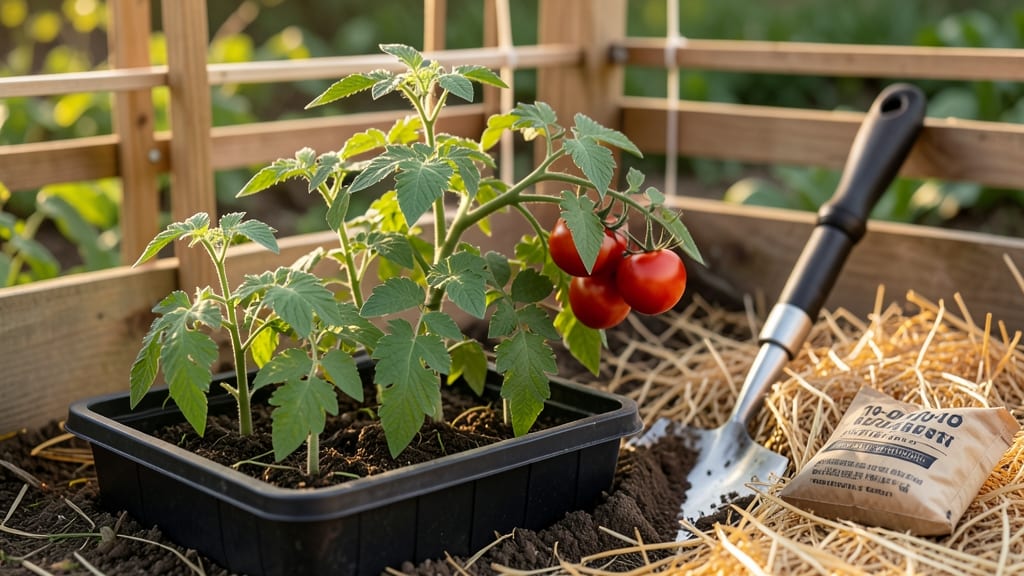
If you've ever dreamed of planting fall tomatoes in North Texas, timing is the game-changer you can't afford to miss. The sweet spot for fall tomatoes is between late July and early August for transplants—or push it to mid-August if you're starting seeds.
This window balances heat tolerance with enough time to mature before that November frost arrives.
For gardeners in USDA Zone 8a, planting too early means wilting under summer's brutal heat, while waiting too long risks frost nipping your plants before they bear fruit.
But here's the kicker: not all tomatoes play by the same rules. Determinate varieties (like bush tomatoes) mature faster, while indeterminate types (like cherry tomatoes) need more time. I'll break down the exact deadlines for each type so you can pick the perfect variety for your North Texas garden.
Ready to extend your growing season? We'll cover soil warming tricks, frost protection hacks, and the three biggest mistakes that kill fall tomato harvests—so you can enjoy homegrown tomatoes well into December.
Critical fall planting deadlines for North Texas tomatoes by variety type
North Texas gardeners have a narrow window to plant fall tomatoes successfully—late July to early September—but the exact timing depends on your tomato variety type and heat tolerance.
In USDA Zone 8a/b, where average first frost hits around November 15, you need to calculate backward from that date to avoid losing your crop to cold snaps.
Determinate tomatoes (bush varieties like 'Celebrity' or 'Roma') mature faster—60-70 days—making them ideal for late summer/early fall planting. Indeterminate types (vining varieties like 'Sungold' or 'Better Boy') take 75-90 days and need earlier starts to produce fruit before frost.
Heat-tolerant varieties like 'Heatmaster' can handle North Texas's lingering summer heat better than standard types.
Here’s the breakdown of your last-minute planting deadlines based on variety and starting method:
| Variety Type | Days to Maturity | Transplant Deadline (Zone 8a/b) | Direct Seed Deadline | Notes |
|---|---|---|---|---|
| Determinate (Bush) | 60-70 days | Late July - Early August | Mid-August - Early September | Compact growth; ideal for containers. Harvest before frost. |
| Indeterminate (Vining) | 75-90 days | Early to Mid-July | Late July - Early August | Needs trellis; prioritize heat-tolerant varieties. |
| Heat-Tolerant (e.g., 'Heatmaster') | 70-80 days | Late July - Early August | Early September | Thrives in 90°F+ temps; extend season with mulch. |
| Cold-Hardy (e.g., 'Mountain Merit') | 65-75 days | Early August | Mid-August | Tolerates light frosts; use row covers for extra protection. |
For transplants, aim to plant 6-8 weeks before your first frost date (November 15 in North Texas).
If you’re starting from seeds, add 4-6 weeks to that timeline, as seedlings need time to establish before cooler weather sets in. Soil temperature is critical—wait until it drops to 60-70°F (use a soil thermometer) to avoid stunted growth.
Pro tip: Check your local frost dates annually, as North Texas’s climate shifts slightly each year. The Texas A&M AgriLife Extension provides updated frost maps—bookmark their site for real-time adjustments. If you’re in a warmer microclimate (like urban Dallas), you might push deadlines by 1-2 weeks compared to rural areas.
Don’t overlook light requirements either. Fall tomatoes need 6-8 hours of sunlight daily, even as days shorten. If your garden loses sunlight by late September, consider south-facing beds or reflective mulch to maximize light exposure.
A simple trick: Place a white plastic milk jug (cut in half) around seedlings to reflect extra light during cloudy spells.
Finally, avoid planting too close to summer’s end. If you wait until mid-September, your tomatoes may not mature before frost—especially for indeterminate varieties.
Use this rule of thumb: "If you can’t harvest by Halloween, replant something faster", like bush beans or lettuce, to make the most of your garden space.
With these deadlines locked in, you’re ready to plant with confidence. Next, we’ll cover how to extend your fall season using row covers and mulch—because in North Texas, every extra week counts! 🌱
How to extend your fall tomato growing season in North Texas
North Texas' unpredictable fall weather can cut your tomato harvest short—but don't give up! With the right tricks, you can push your planting window later and enjoy homegrown tomatoes well into November.
The key lies in soil warming, frost protection, and light management. I've tested these methods in my own garden, and they've added 2-3 extra weeks of harvest time.
Start by raising soil temperatures 2-3 weeks before your target planting date. Black plastic mulch is my go-to—it warms the soil by 10-15°F and suppresses weeds. Lay it down 2-3 weeks before transplanting to give your tomatoes a head start in cooler soil.
For even faster results, combine it with row covers after planting to trap heat during the day and release it slowly at night.
- Black Plastic Mulch
- Row Covers
- Shade Cloth
- Cold-Frame
Don't overlook shade cloth for late August plantings. North Texas' 90°F+ temperatures in early fall can stress young tomato plants. Use 30% shade cloth during the hottest afternoon hours (1-4 PM) to prevent sunscald on leaves and fruit.
I've seen plants recover within 3-5 days once the shade is removed. For varieties like 'Celebrity' or 'Better Boy', this makes all the difference in survival rates.
When frost threatens (typically after November 1), switch to frost blankets or hoop houses. These can protect your plants down to 25°F for short durations. My indeterminate 'Sungold' tomatoes have survived 28°F nights under row covers, producing fruit until mid-December.
The secret? Remove covers during the day to prevent heat buildup and water plants before covering to insulate moisture.
For the most cold-hardy varieties, consider 'Mountain Merit' or 'Cold Set'. These can tolerate brief dips to 28°F and still produce fruit. Pair them with straw mulch (4-6 inches deep) to insulate roots.
In my trials, plants with straw mulch stayed 5-7°F warmer at the soil level than those without, making a measurable difference in survival rates.
Remember: Harvest before frost is the golden rule. Even protected plants will decline if temperatures drop below 25°F for more than 24 hours. Start harvesting when fruits show 70-80% color development—this signals they're nearing maturity.
Store them in a cool (55-60°F), dark place to ripen slowly. With these extensions, my fall tomato harvest has lasted until mid-December—just in time for holiday sauces and salsas!